



Industry finance
Business finance for transport and logistics
Transport and logistics run on expensive assets and long payment terms. The finance that suits them is about the fleet, the fuel and the wait: equipping the run and carrying the gap until the customer pays.
An enquiry is a conversation, not an application. We won't submit anything to a lender without your say-so.
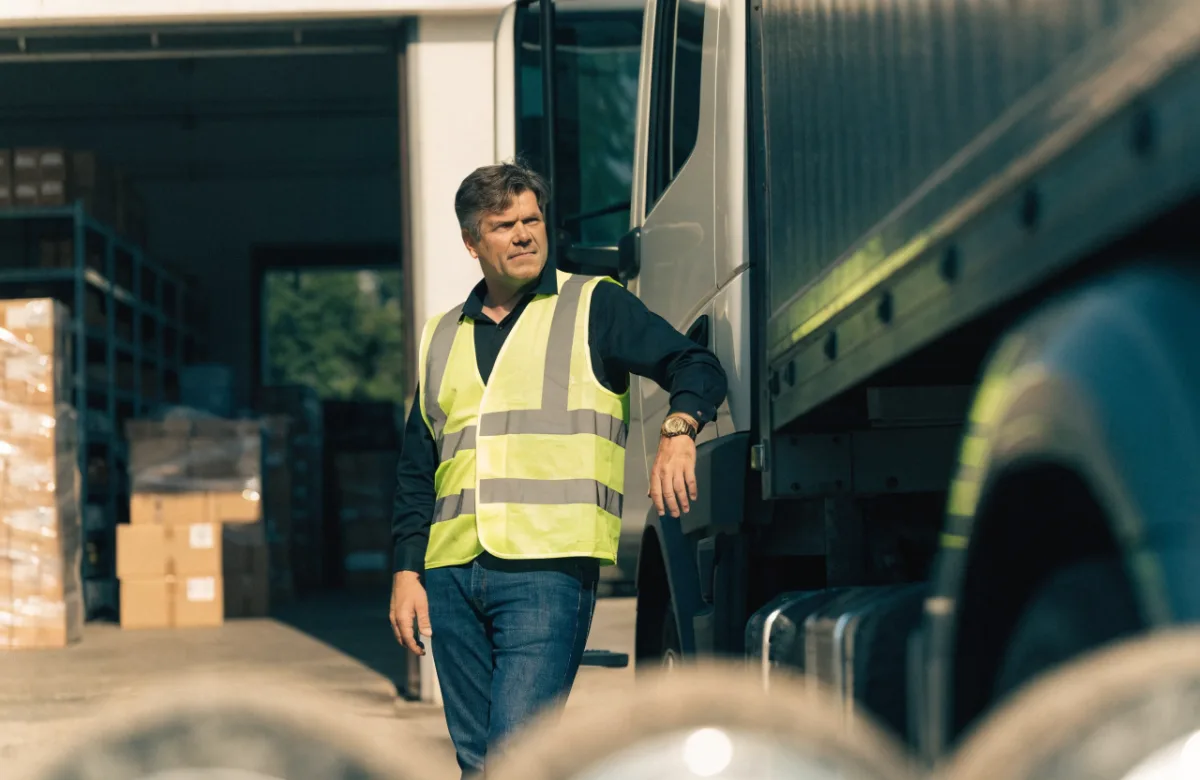
A freight or logistics business fronts a lot of cost, the truck, the fuel, the driver, and then invoices on terms that can stretch to 30, 60 or 90 days. Winning a bigger contract makes that gap larger before it makes it better, so growth and cash-flow pressure tend to arrive together.
We are a broker, not a lender. We compare business-purpose finance across the lenders whose appetite fits transport, and bring back the options side by side, including which structure carries the payment gap more cheaply.
Common funding needs
Where the finance usually goes
-
Trucks, trailers and vehicles
Vehicle and equipment finance for the fleet, secured against the assets themselves.
-
Fuel and running costs
Working capital for the costs that run ahead of the invoices.
-
Bridging payment terms
Turning unpaid invoices into cash so a 60-day payer does not stall the next run.
-
Taking on a bigger contract
The capacity to front the extra cost a new contract needs before it pays.
FAQs
Transport & logistics finance questions, answered straight
How do transport businesses handle 60-day payment terms?
Commonly with invoice finance, which advances a portion of an unpaid freight invoice so you are not funding fuel and wages out of your own pocket while the customer takes 60 days. A line of credit can do a similar job. Which fits depends on your customers and how you invoice. We compare both across the panel.
Can I finance a truck and working capital together?
They are usually separate facilities: vehicle or equipment finance for the truck, secured against it, and a working-capital facility for fuel and running costs. Structuring them well matters, because over-committing on one squeezes the other. We are a broker, not a lender: we map the approach and compare what the panel offers.
Find out what your business actually supports.
One conversation tells you what the panel would do with your file, what it would cost, and which structure fits your cash flow. You decide whether any of it is worth taking.
An enquiry is a conversation, not an application. We won't submit anything to a lender without your say-so.