A chattel mortgage is a way to finance a business vehicle or piece of equipment where you own the asset from the moment you buy it, and the lender registers a security interest over it until the loan is repaid. The "chattel" is the asset itself, a ute, a truck, a machine. The "mortgage" is the security the financier holds over it. You use the asset from day one, make regular repayments, and once the loan is cleared the security interest is removed and the asset is yours, free and clear.
It is the most common way Australian businesses finance equipment and commercial vehicles, and the reason is the ownership structure. This guide explains how a chattel mortgage works step by step, what you can finance, what it costs, and the one tax point worth understanding before you choose a structure. 121 Brokers is a broker, not a lender: we compare chattel mortgage options across a panel of financiers, and the tax comments here are general information only, not tax advice.
What is a chattel mortgage?
Think of a chattel mortgage as the business-asset equivalent of a home loan, but the security is the asset you are financing rather than a house. You buy the asset in your business name, so you own it outright from settlement. The financier lends you the money and, in return, registers a security interest over the asset on the Personal Property Securities Register (the PPSR). That registration protects the financier if the loan is not repaid, in the same way a mortgage protects a home lender.
Because you own the asset, it sits on your balance sheet as an asset of the business, with the loan recorded as a liability. That single fact, ownership from day one, is what separates a chattel mortgage from a lease, where the financier owns the asset and you rent it. If you want the full side-by-side, our guide on chattel mortgage vs finance lease vs hire purchase lays out all three structures.
How a chattel mortgage works, step by step
The mechanics are straightforward once you see the sequence.
Approval and settlement
You choose the asset and agree a price with the supplier, whether that is a dealer, a private seller or an auction. The financier assesses your business and the asset, then pays the supplier the purchase price. You take delivery and start using the asset straight away. For an established business buying a standard asset, the paperwork is usually light: recent business bank statements and details of the asset do much of the work.
The security interest and the PPSR
At settlement the financier registers its interest over the asset on the PPSR. This does not affect your day-to-day use of the asset at all. It simply records that the financier has a claim over it until the loan is repaid, which is what lets a chattel mortgage price below unsecured lending: the financier has a specific asset to recover against if something goes wrong.
Repayments, terms and a balloon
You repay the loan over an agreed term, commonly two to five years for a vehicle and up to around seven for larger plant, in regular instalments of principal and interest. You can often set a balloon (also called a residual): a lump sum parked at the end of the term that lowers your regular repayments. A bigger balloon means smaller monthly payments but a larger amount owing at the end, which you either pay out, refinance or clear by selling the asset. Sizing the balloon to how long you plan to keep the asset is one of the more important decisions in the deal.
End of term
When the final repayment (and any balloon) is made, the financier discharges its security interest on the PPSR and the asset is yours outright, with no further obligation. There is no handback and no residual to negotiate, because you owned it the whole time.
What can you finance with a chattel mortgage?
A chattel mortgage suits assets that are identifiable, movable and hold value, which covers most of what a business buys to do its work:
- Commercial vehicles: utes, vans, trucks, trailers and prime movers. See our vehicle finance page for the vehicle side.
- Plant and equipment: excavators, forklifts, tractors, manufacturing machinery, medical and dental equipment, commercial kitchen fit-outs and more. See equipment finance for the equipment side.
- Used and second-hand assets: most financiers will fund used and even auction-bought assets, subject to the asset age at the end of the term and a valuation or inspection.
The common thread is that the asset can be identified and, if it ever came to it, recovered. That is what makes it usable as security.
Why the ownership structure matters
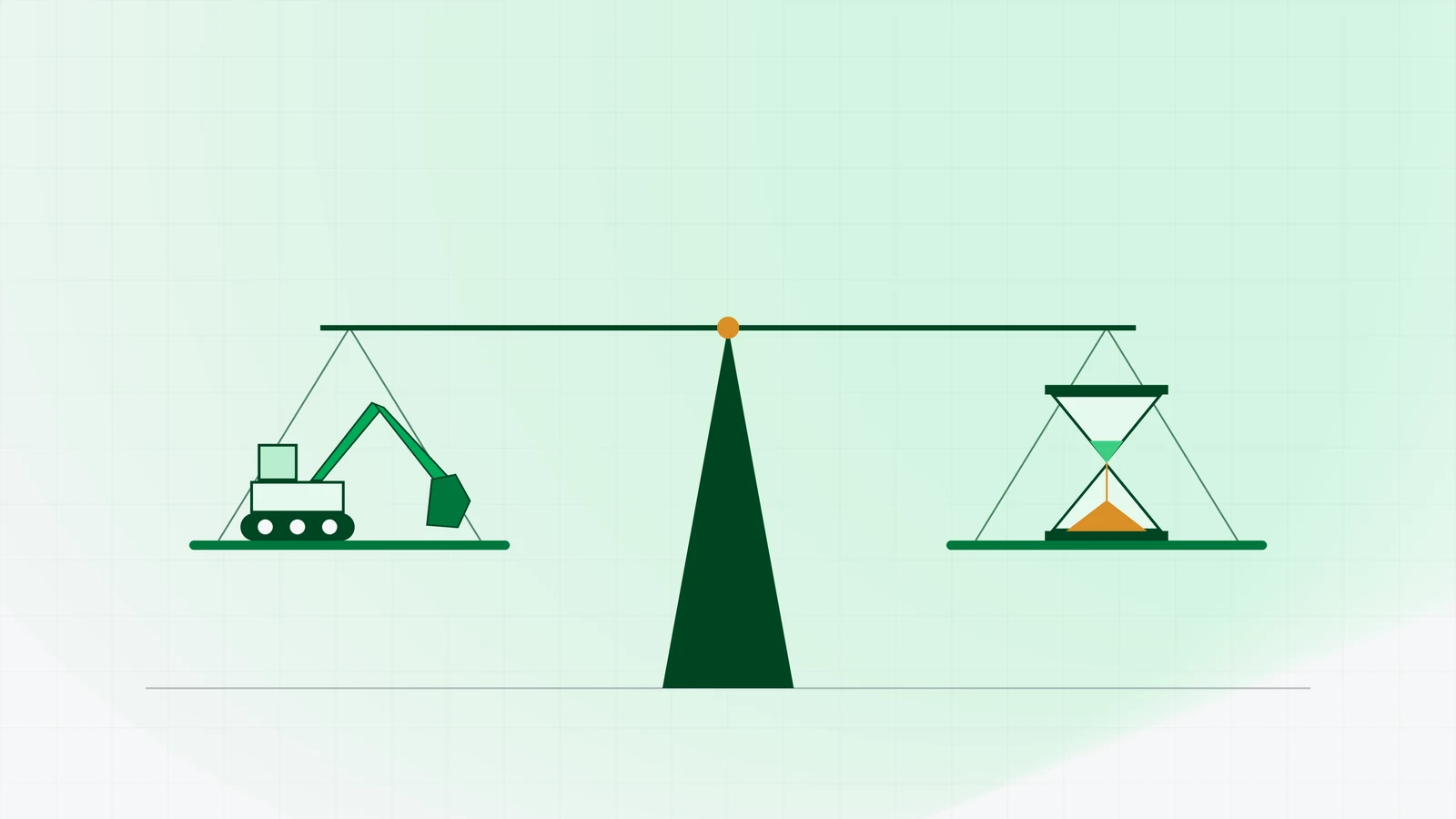
Owning the asset from day one has practical consequences beyond the paperwork. You control the asset, you can modify it, and you carry its value on your books. It also means you carry the risks of ownership: maintenance, insurance and the asset's resale value are yours. For a business buying an asset it intends to keep and use hard, that ownership is usually the point. For a business that would rather hand equipment back and upgrade on a cycle, a lease can suit better, which is exactly the trade-off the three-way comparison works through.
What does a chattel mortgage cost?
Two things drive the cost: the interest rate and any fees. As a broad market guide only, not a quote, scans of Australian financiers put equipment and asset finance from around 6.5 per cent per annum at the sharp end, typically in the 7 to 11 per cent per annum range for established businesses, and higher for weaker profiles or low-documentation deals (indicative ranges as at July 2026). The actual rate depends on the asset, its age, your trading and credit strength, the term and the financier. We do not set rates; the financier does.
The rate is only part of the picture. A balloon lowers your regular repayment but leaves a lump sum owing at the end, so the same asset can be structured to look cheap monthly and cost more overall, or the reverse. The honest comparison is total cost over the term, not the monthly figure in isolation. Price a repayment for your own asset, term and balloon here:
Treat that as an estimate to size the decision, not a quote. The financier confirms the actual rate, fees and repayment on your file.
A note on tax and the instant asset write-off
Business owners often ask how a chattel mortgage is treated at tax time, and whether a financed asset can qualify for the instant asset write-off. The point worth understanding as you choose a structure is a structural one: because a chattel mortgage means you own the asset, the asset is generally treated as owned by your business, which is a different position from a lease, where the financier owns it. Depreciation and the interest component of your repayments are the usual areas of interest, and the write-off rules turn on ownership and on the asset being installed ready for use.
Beyond that structural point, we do not publish write-off thresholds, deadlines or eligibility rules here, because they are set by government, they change, and the right answer for your business depends on your circumstances. Confirm your position, and whether the write-off applies to your purchase, with your accountant and at ato.gov.au before you commit. This is general information, not tax advice.
How to get a chattel mortgage through a broker
You tell us the asset, roughly what it costs, and a little about your business. We match your file to the financiers on our panel whose appetite fits the asset and your industry, then compare what they return on the rate, the fees, the balloon and the term, so you are comparing total cost rather than a headline monthly figure. You choose, and we handle the paperwork with the financier you pick.
For more on why financing an asset can protect your working capital, read why financing equipment beats paying cash, or when you are ready, compare your options with a broker.
General information only: not financial, legal or tax advice, and it does not take account of your objectives, financial situation or needs. 121 Brokers arranges business-purpose finance only and is a broker, not a lender. Any rates, fees, advance rates or timings mentioned are broad market guides, not quotes or offers. Approval, amounts, rates, fees and timing are determined by the lender or financier and are subject to its assessment criteria. Confirm any tax position with your accountant and at ato.gov.au.