

Machinery, vehicles and technology
Equipment Finance: business equipment loans compared by a broker
The excavator your business needs shouldn't empty its working capital.
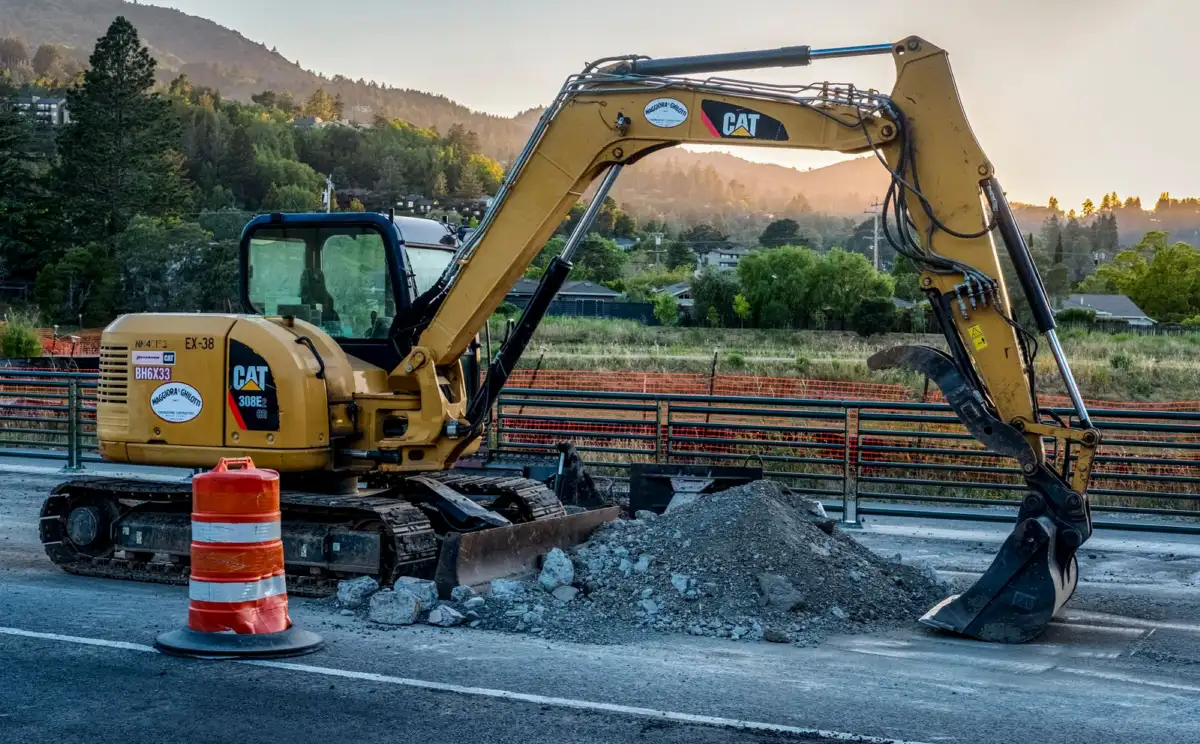
Excavator, oven, ute or ultrasound: equipment finance funds the asset while it earns its keep. New or used.
The basics
How does equipment finance work?
A lender funds the equipment purchase and the asset itself typically secures the loan: so there's usually no need to pledge property. You use the equipment from day one and repay over an agreed term, commonly 1 to 7 years, often matched to the asset's working life. Because the lender holds security over the asset, rates generally sit below unsecured lending.
The most common structure for business equipment and vehicles in Australia is a chattel mortgage: you own the asset from day one, and the lender registers a security interest over it (removed once the loan is repaid). Practical consequences business owners care about:
- Ownership from settlement: the asset sits on your balance sheet, and depreciation is yours to claim for business use.
- GST: businesses registered for GST can generally claim the GST in the purchase price as an input tax credit on their BAS (timing depends on your accounting basis: ask your accountant).
- Balloon options: park a portion of the principal at the end of the term to lower monthly repayments; you pay out or refinance the balloon at the end.
Chattel mortgage vs finance lease vs hire purchase
| Feature | Chattel mortgage | Finance lease | Hire purchase |
|---|---|---|---|
| Who owns the asset | You, from day one | Lender (you rent it) | Lender until final payment |
| Balance sheet | Your asset + loan | Lease arrangement | Asset passes on completion |
| Typical fit | Most SMEs buying to keep | Regular upgrade cycles | Ownership at term end preferred |
| End of term | Own outright (pay any balloon) | Return, extend or pay residual | Own after final instalment |
Tax and accounting treatment differs by structure and situation: general information only; confirm with your accountant.
Can I claim the instant asset write-off on financed equipment?
Eligibility depends on whether you own the asset and have it installed ready for use, not on how you paid for it. Assets bought under a chattel mortgage or hire purchase are treated as owned, so financed equipment can qualify. That structural point is the part worth knowing as you choose a finance type.
The thresholds, deadlines and eligibility rules attached to the write-off change from year to year, and they are set by government, not by us or by a lender. We do not publish a figure here, because a number that is right today can be wrong by the time you read it. Check the current position with your accountant and at ato.gov.au before you make a purchase decision. General information only, not tax advice.
Pricing up new equipment? Compare your funding options before you commit.
What can you finance?
- Vehicles: utes, vans, trucks and trailers (see vehicle finance for the car-specific detail)
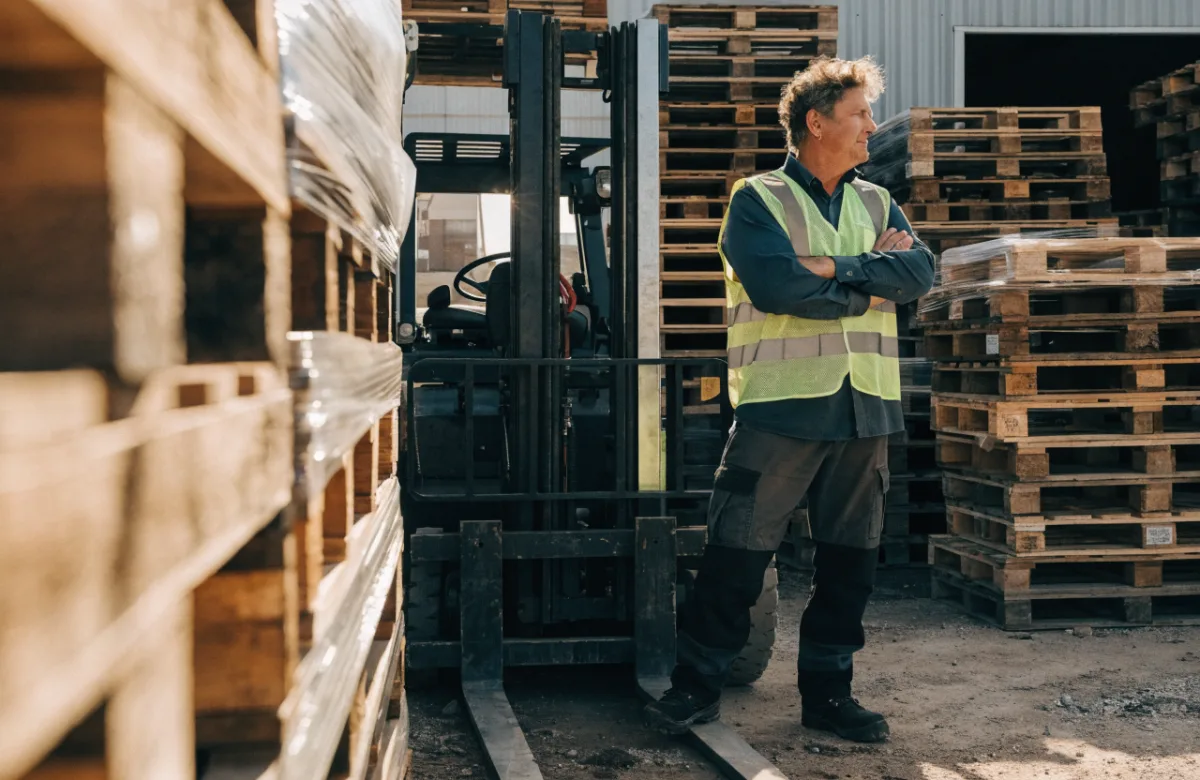
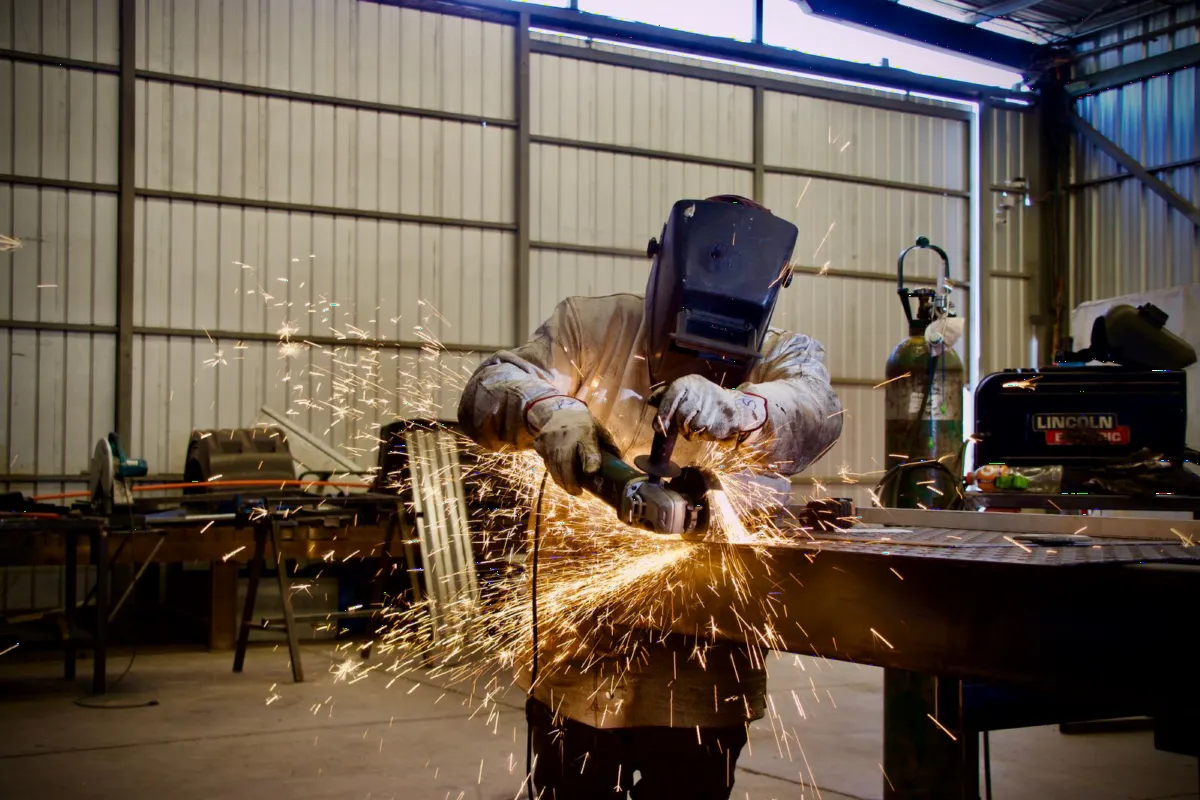
- Yellow goods & machinery: excavators, bobcats, forklifts, agricultural equipment
- Hospitality: commercial kitchens, ovens, coolrooms, fit-outs
- Medical & fitness: imaging, dental chairs, gym equipment
- IT & office: servers, workstations, phone systems
Can I finance second-hand equipment?
Yes: most specialist lenders fund used and auction-bought equipment, subject to conditions: the asset's age at the end of the term (many lenders cap this), a valuation or inspection, and clear title. Private-sale and auction purchases usually need extra paperwork: we handle that packaging.
What are equipment finance rates?
We do not publish a rate here, and you should be wary of anyone who does. Equipment finance is priced per asset and per borrower by the lender, so a single advertised number tells you almost nothing about what you would actually pay. What we can do is show you what the lenders on our panel will price for your asset, and explain why they differ.
What drives your rate: asset type and age (new ute vs 12-year-old excavator), your trading history and credit profile, deposit or balloon structure, and the lender's appetite for your industry. This is exactly where a panel beats a single bank: specialist financiers often price certain asset classes and industries far better than generalists.










Industries
Industries we help fund
Whatever you do, the finance that fits depends on how your business actually trades. These are some of the industries we arrange funding for, each with its own guide.
-
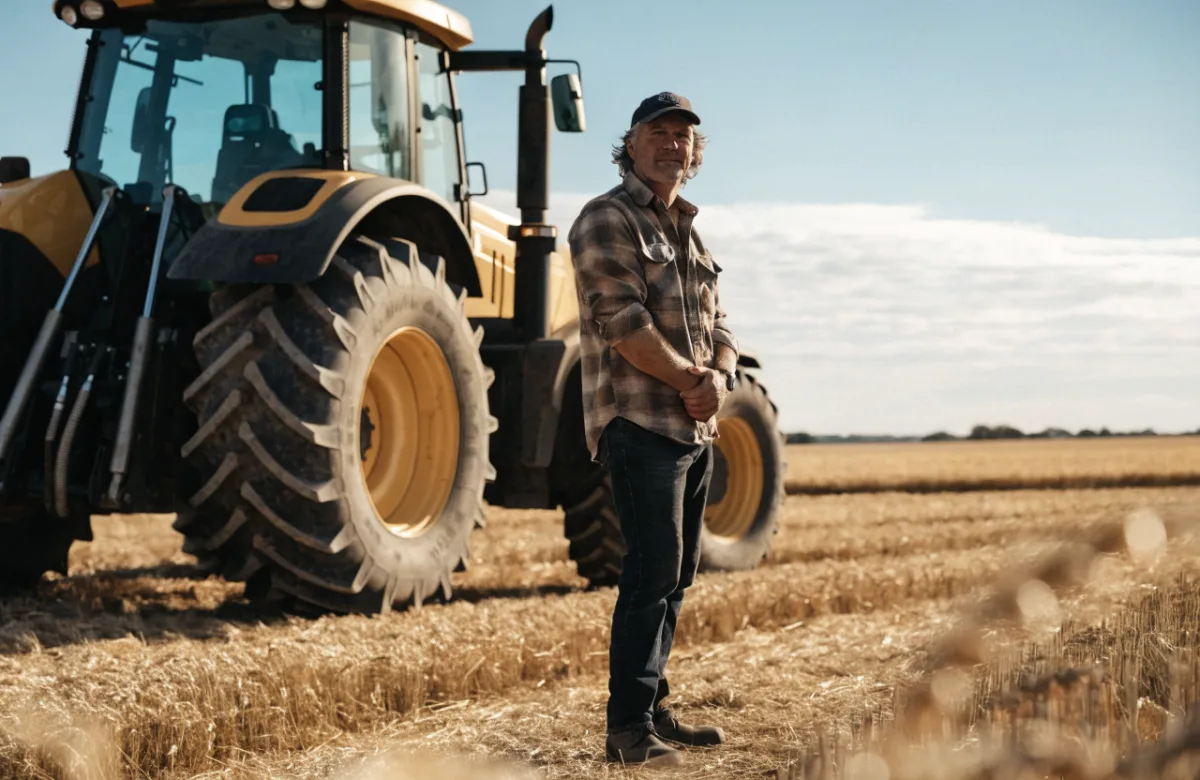
Agriculture & farming
Machinery, utes, inputs bought a season ahead, and repayments that can follow the harvest.
Agriculture finance -

Hospitality & cafés
Fit-outs, commercial kitchen gear, stock before the rush, and the quiet months in between.
Hospitality finance -

Retail & e-commerce
Buying stock before the season sells, fit-outs, and bridging supplier terms against your sales.
Retail finance -
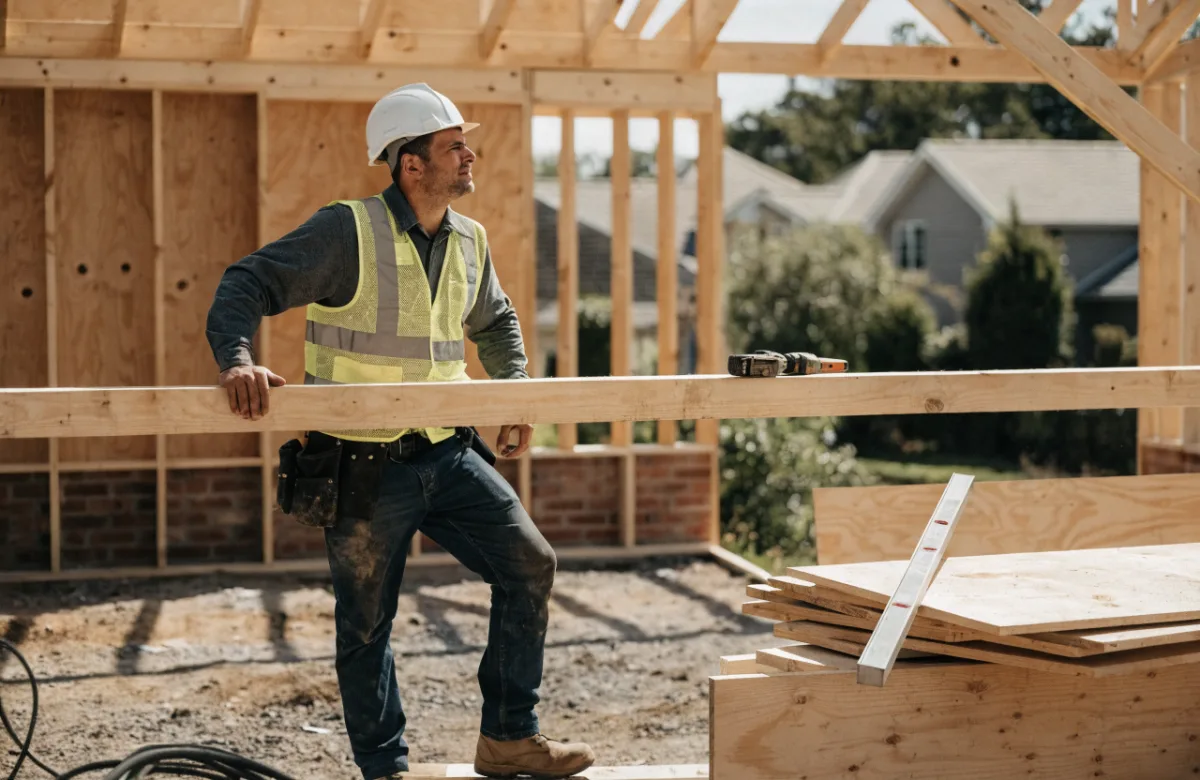
Trades & construction
Tools, vehicles, materials up front, and bridging the gap between doing the work and being paid.
Trades & construction finance -

Health & allied health
Practice fit-outs, clinical equipment, hiring, and opening a second set of rooms.
Health finance -

Professional services
Hiring ahead of billings, office and technology, and bridging project-based invoicing.
Professional services finance -
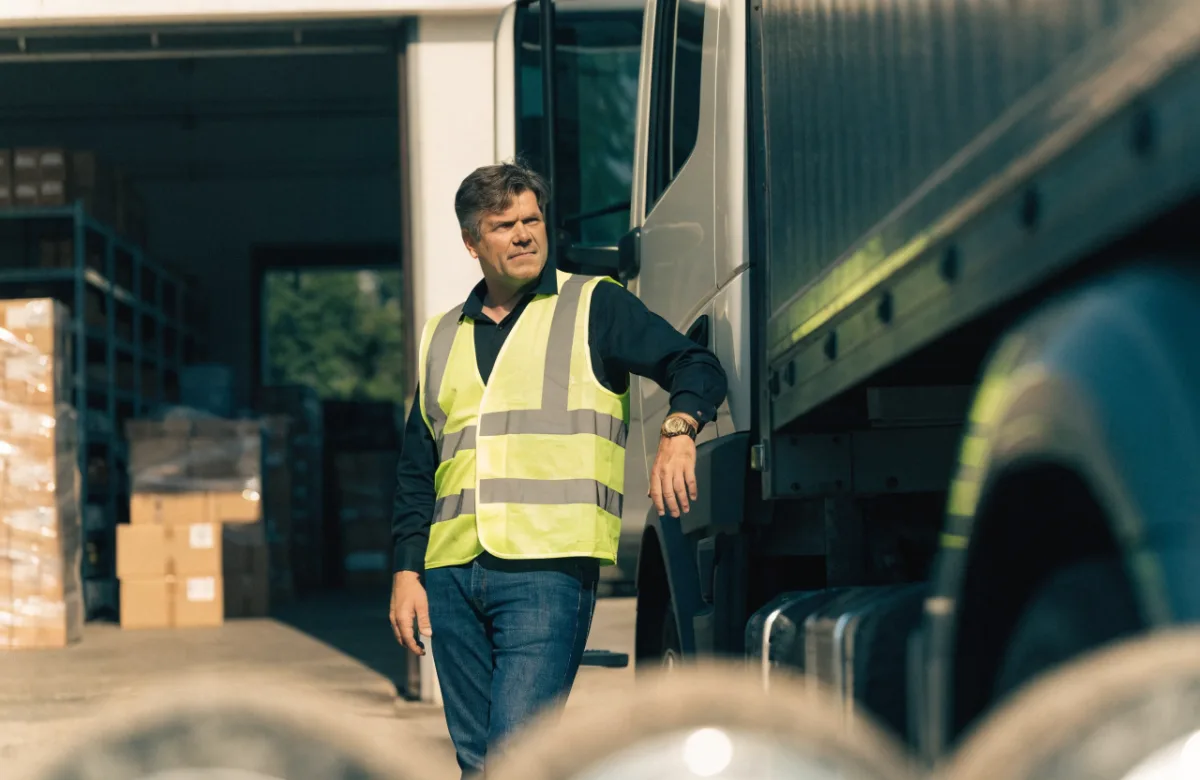
Transport & logistics
Trucks and trailers, running costs, and carrying the gap between delivery and payment.
Transport & logistics finance
Customer stories
What business owners say about 121 Brokers
Testimonials reflect individual customers' experiences. Outcomes vary and depend on the lender and your circumstances.
121 Brokers Pty Ltd (ABN 37 674 323 712) is a finance broker, not a lender. We arrange finance through third-party lenders. Approval, interest rates, fees, timing and the funds themselves are set and provided by the lender, not by 121 Brokers.
FAQs
Equipment finance questions, answered straight
What is a chattel mortgage?
A business finance structure where you own the equipment from day one and the lender registers a security interest over it until the loan is repaid. Because the asset secures the loan, rates typically sit below unsecured lending, and GST/depreciation benefits may apply for business use.
Can I claim the instant asset write-off on financed equipment?
How you pay for equipment does not decide this. What matters is whether you own the asset, and a chattel mortgage or hire purchase both count as owned, and whether it is installed ready for use. Thresholds and eligibility change, so check the current position with your accountant and at ato.gov.au before you rely on it. General information only, not tax advice.
Do I need a deposit for equipment finance?
Often no: many lenders fund 100% of the asset's price for qualifying borrowers. Adding a deposit or a balloon payment lowers the regular repayments; whether that suits you depends on cash flow. We model both before you decide.
Can I finance used or auction-bought equipment?
Yes, with most specialist lenders: subject to the asset's age at the end of the loan term, valuation or inspection requirements, and clear title. Auction and private-sale purchases carry extra paperwork, which we prepare as part of the application.
Is equipment finance tax deductible?
For business-use assets, interest is generally deductible and the asset depreciates: or may qualify for the instant asset write-off: depending on how the finance is structured. The structure you choose changes the tax outcome, so confirm specifics with your accountant. General information only, not tax advice.
How long can I finance equipment for?
Commonly 1 to 7 years, usually matched to the asset's working life: lenders won't finance a five-year asset over ten years. Balloon or residual options can reduce the regular repayment, with the balance paid out or refinanced at the end of the term.
Price the machine, not just the sticker.
Tell us the asset and the plan: we'll bring back finance options from banks and specialist asset financiers, with the tax structure points flagged for your accountant.
Based in Byron Bay: for farm and heavy plant in our own region see agricultural finance broker for the Northern Rivers and machinery finance broker in Casino.