Trade finance pays your suppliers, in Australia or overseas, up front, then gives you time to sell the stock before you repay. The financier settles your supplier directly and can often fund a full purchase, including freight and duty. It closes the buy-side gap in your cash cycle: the stretch where money has left the business to buy stock, but the stock has not yet sold. Import finance is the same product, named after its most common use.
For importers and wholesalers this is often the difference between committing to a season of stock and having to pass on the order. This guide sets out how the import finance cycle works step by step, what a facility can cover, and how it differs from invoice finance. 121 Brokers is a broker, not a lender: we take one picture of your trade to financiers with appetite for it, and you choose.
What trade finance is
Trade finance is funding arranged around a specific purchase, not a general loan. Because the financier is paying your supplier directly and lending against a transaction, it assesses the deal as well as the borrower: what the goods are, who is selling them, what you paid, and who will buy them from you. That is why a strong business can still be declined on a weak order, and why the paperwork of the trade matters more here than on almost any other product.
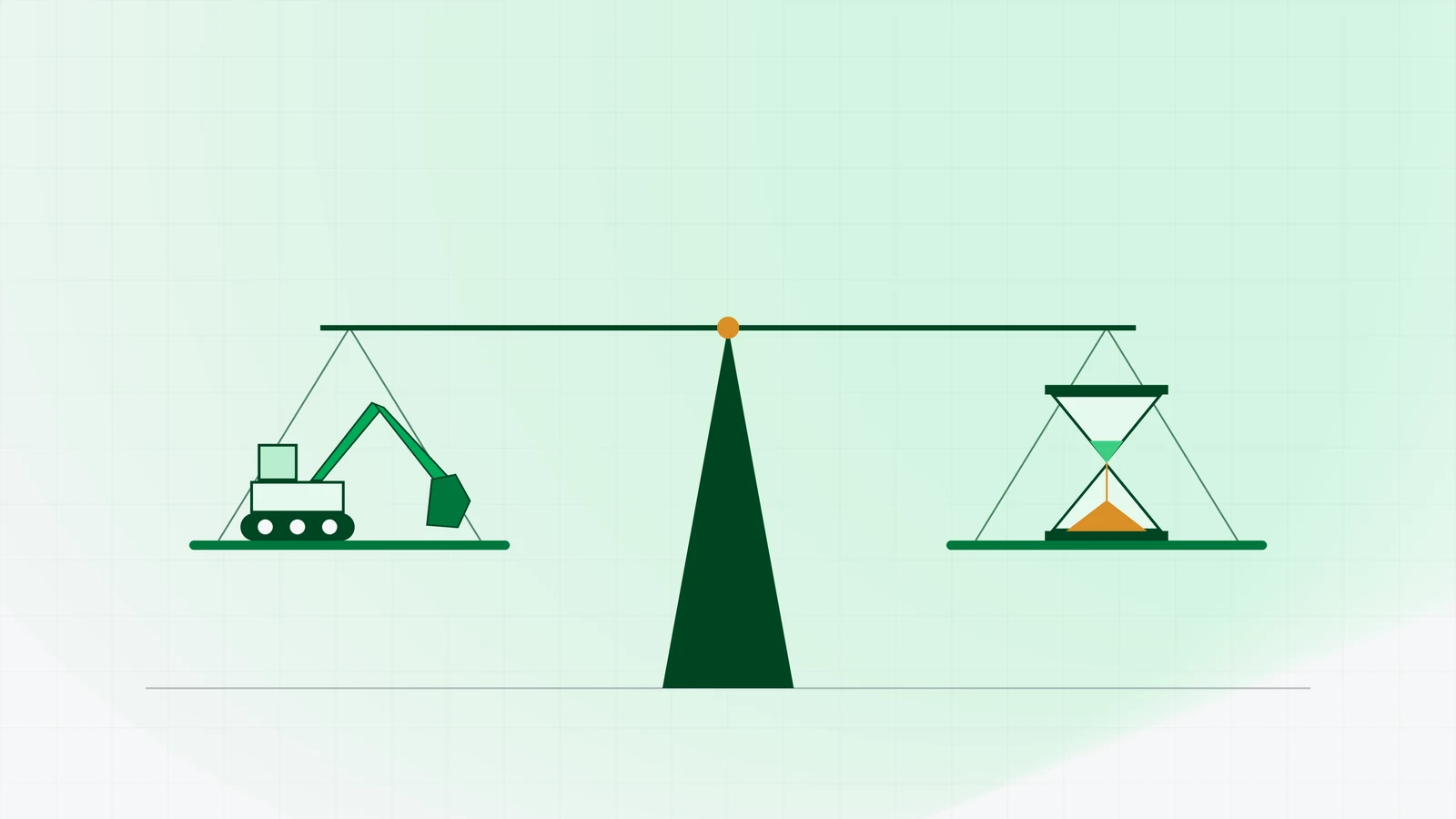
The other half of the product is time. A trade facility gives you a repayment window that is meant to be set against your real cycle: the lead time to make and ship the goods, plus a realistic period to sell them once they land. Get that window right and the stock repays the facility. Get it wrong and you are repaying out of working capital, which is the problem you started with.
How import finance works, step by step
Here is the shape of the cycle. The detail differs by financier, but the sequence is consistent.
- You agree the order with your supplier. Price, quantity and terms, exactly as you would normally.
- The financier assesses the transaction. Not just your business: the goods, the supplier, your price and your route to market. This is the step importers do not expect.
- The financier pays your supplier directly. A supplier who would not extend you credit gets paid as though you had, and your own cash never leaves the business.
- The goods ship and land. Then the costs that are not on the supplier invoice arrive: freight, insurance, customs duty and GST. Some facilities extend to those landed costs, and some stop at the supplier invoice.
- You sell the stock. Through your normal channels, over your normal selling period.
- You repay the financier. At the end of the agreed window, ideally out of the revenue the stock generated.
The single most useful question to ask before you sign is when the repayment clock starts, because facilities do not all start it at the same point. Yours might run from the day your supplier is paid, from shipment, or from landing. On a long lead time, that choice can eat a large part of your window before you have anything to sell.
What trade finance can cover
The important distinction is between a facility sized to your supplier invoice and one sized to the landed cost, which is the supplier invoice plus freight, insurance, customs duty and GST. A facility that stops at the supplier invoice can leave you funding the last mile at the port out of the working capital the facility was meant to protect. Coverage varies by financier and by deal, so it is worth confirming on each option rather than assuming.
GST on imported goods is worth planning for: GST is 10 per cent in Australia and applies to most taxable importations, calculated on the value of the taxable importation (the customs value plus duty, transport and insurance). If you are registered for GST you can generally claim it back as an input tax credit, but you still have to fund it at the border in the meantime. To sketch the GST on a landed cost, use our GST calculator below.
Trade finance vs invoice finance
These two products are often confused, but they sit on opposite ends of the same cash cycle. Trade finance funds the buy side: the financier pays your supplier for stock you have not sold yet. Invoice finance funds the sell side: it releases cash from invoices you have already issued. One gets goods onto your shelves; the other gets money out of your debtors ledger. Importers with slow-paying B2B customers commonly run both, because they cover opposite ends of the same gap. If you cannot place the order, no invoice ever exists to finance, so for a pure stock purchase, trade finance comes first.
Letters of credit and where they fit
A letter of credit is a bank written undertaking to pay your supplier once the shipping documents match the agreed terms. It exists to reassure a supplier who does not know you well enough to ship on trust. It is a documentary instrument, so payment turns on the paperwork being exactly right, and a discrepancy can hold up a payment even when the goods are fine and on the water. A trade facility can often reach the same commercial outcome, your supplier gets paid and you get a repayment window, through a different mechanism. Which route is open to you depends on your supplier, your bank and your file, and it is one of the first things to establish rather than one of the last.
Who uses trade finance
Trade finance suits importers, wholesalers and distributors buying stock from suppliers who want payment before, or on, dispatch. The pattern is always the same: money leaves the business before the goods exist, then the goods sit before they sell. A homewares importer paying a deposit one quarter and selling the container the next. A wholesaler whose supplier has moved to payment before dispatch. A distributor committing to a season of stock in one order to get the price that makes the season work. It is not only for overseas suppliers: whether a particular financier will fund a domestic purchase is that financier call, and it is worth asking. If the gap is general working capital rather than a specific stock purchase, a business line of credit is usually the sharper tool.
To see which financiers on our panel have appetite for your goods and your market, start with our trade finance page or compare your options with a broker.
General information only: not financial, legal or tax advice, and it does not take account of your objectives, financial situation or needs. 121 Brokers arranges business-purpose finance only and is a broker, not a lender. Any rates, fees, advance rates or timings mentioned are broad market guides, not quotes or offers. Approval, amounts, rates, fees and timing are determined by the lender or financier and are subject to its assessment criteria. Confirm any tax position with your accountant and at ato.gov.au.