A secured business loan lets a startup pledge an asset, property, machinery, inventory or vehicles, as collateral in exchange for lower interest rates, higher borrowing limits and longer repayment terms than unsecured lending offers. For founders who hold assets, it's often the cheapest capital available at a stage when every dollar of interest matters.
Startups usually hear "no trading history, no loan." Security changes that conversation, here's how, and what to weigh before pledging anything.
What is a secured business loan?
A secured business loan is financing backed by a pledged asset. If the borrower defaults, the lender can sell the collateral to recover its money, which is exactly why lenders offer better terms up front. Common collateral includes real estate (commercial or residential), machinery and equipment, vehicles, and in some cases inventory or term deposits. The stronger and more liquid the asset, the sharper the terms.
Why do secured loans suit startups?
- Lower interest rates. Collateral cuts the lender's risk, and the saving lands in your repayments, capital a young business can reinvest instead of burning on interest.
- Higher borrowing limits. Amounts scale with asset value rather than trading history, so a startup with equity can fund a serious launch or acquisition that no unsecured lender would touch.
- Longer, more flexible terms. Extended repayment periods keep early-stage monthly commitments manageable while revenue builds.
- Credit profile building. A well-serviced secured loan is the fastest way for a new entity to build the credit history that unlocks cheaper, easier borrowing later.
- Approval despite thin history. Security compensates for the missing years of financials, the asset answers the question trading history normally would.
What should startups weigh before pledging assets?
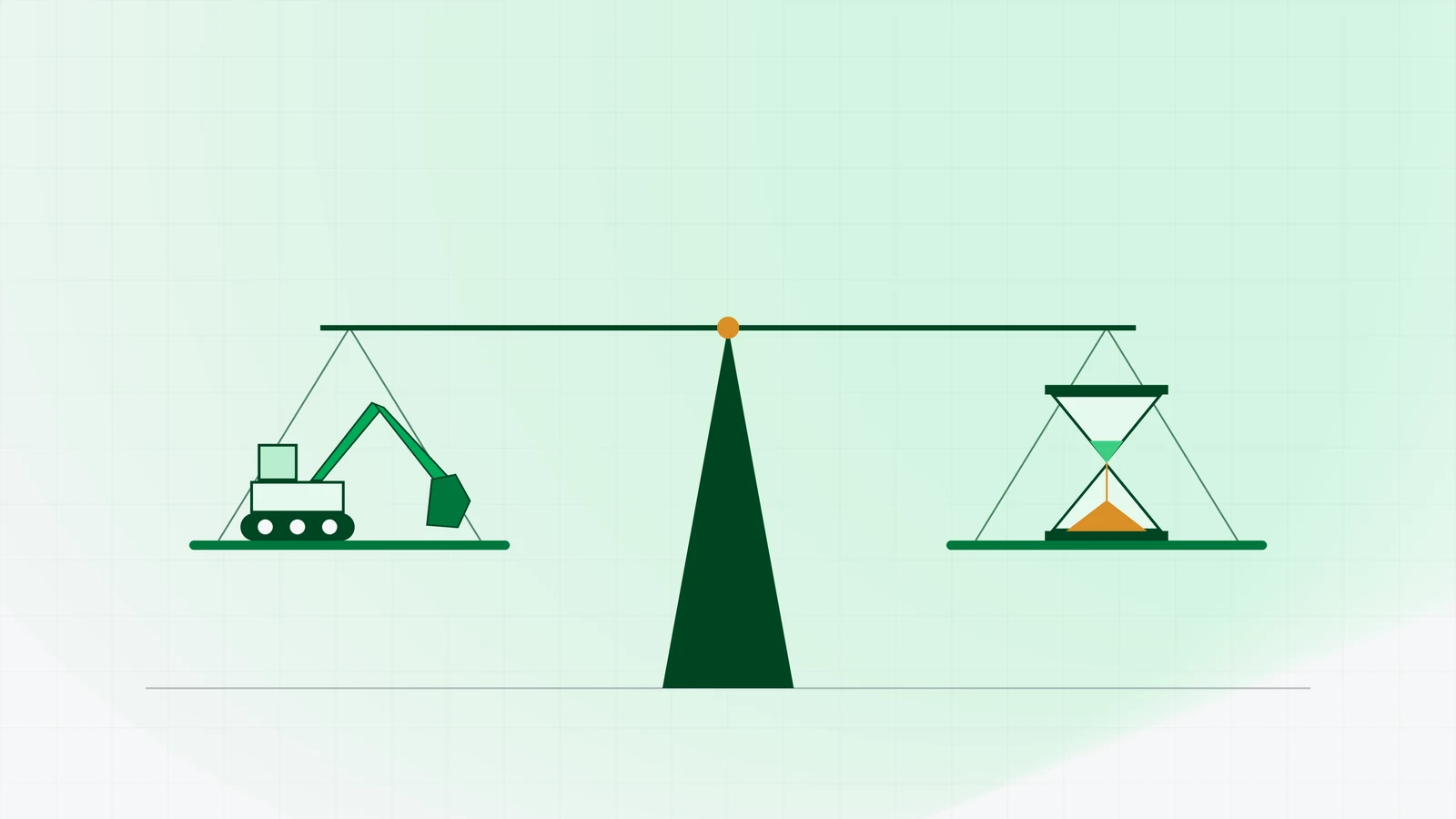
The honest counterweight: the pledged asset is genuinely at risk if the business fails. For founders securing against a family home, that deserves slow, sober thought, and usually a conversation with an accountant and your family before a lender. Practical guardrails:
- Borrow against business-case numbers, not maximum available equity.
- Stress-test repayments against a slow first year, not the forecast you pitched.
- Compare the secured quote against unsecured options and equipment finance (where the purchased asset itself is the security, often the neatest startup structure).
- Understand default and enforcement clauses before signing, not after.
Secured vs unsecured for a startup: quick comparison
| Factor | Secured loan | Unsecured loan |
|---|
| Rate | Lower | Higher |
| Amount | Scales with asset value | Limited by revenue/history |
| Term | Longer available | Shorter (months to ~5 years) |
| Startup accessibility | Good with assets | Hard under 6 to 12 months trading |
| Risk | Pledged asset exposed | No specific asset (guarantees still apply) |
| Speed | Slower, valuations required | Faster |
How does 121 Brokers elevate a startup's financing?
121 Brokers, a business finance brokerage, works with startups one-to-one: assessing what your assets realistically support, matching you with lenders whose startup appetite is genuine, and structuring the loan so repayments fit a launch-year cash flow. Expect tailored options rather than one product, quick movement once valuations are in, plain-English guidance through every clause, and support that continues past settlement, because the second facility is always easier when someone already knows your story. Start the conversation.
Frequently asked questions
Can a startup with no trading history really get a secured loan?
Often, yes. The collateral substitutes for trading history in the lender's risk equation. Expect scrutiny of the asset's value and your personal financial position, plus a business plan for larger amounts.
What assets can I use as security?
Commercial and residential property attract the best terms; equipment, vehicles, inventory and term deposits also work with the right lender. Lenders typically advance up to around 70 to 80% of assessed asset value.
Should I secure a business loan against my home?
It's common for founders, and it's a serious decision. The home is genuinely at risk if the business fails, so borrow conservatively, stress-test repayments, and take independent advice before proceeding. No growth plan justifies skipping that step.
How long does a secured startup loan take to arrange?
Longer than unsecured, valuations and security documentation typically add one to three weeks. Start the process before the funding need is urgent.
Is equipment finance a better option for startup asset purchases?
Frequently, yes. If the funding is for an asset, equipment finance uses that asset as its own security, no existing property needed, competitive pricing, and the structure matches the purchase exactly.
General information only, not financial advice. Pledging assets carries real risk; seek independent advice before securing borrowing against personal property.