Financing farm machinery in the Northern Rivers: macadamias, beef and cane
By 121 Brokers Team, Commercial finance brokerage
· 13 min read
· Published
Financing farm machinery in the Northern Rivers starts with a decision, not a product: repair, replace or hold. Once that is settled, the finance is shaped around the asset (its type, age and resale) and around the farm's calendar. Appetite for agricultural gear varies across lenders more than in most sectors. 121 Brokers is a broker, not a lender, and does not decide any application.
This article is for growers, graziers and cane farmers, and for the contractors who harvest, spray and cart for them, from the Alstonville plateau to the Richmond Valley and the Tweed. It walks through the three farming calendars that drive machinery decisions here, a framework for the repair-or-replace call, what lenders look at in agricultural equipment, the repayment shapes to ask about, and how the three ownership structures differ in plain words. For the broker side of the same subject, see our agricultural finance broker Northern Rivers page.
Three calendars, one problem
Every farm in the region has the same shape of problem: machinery costs arrive when the machine breaks or the season demands it, and income arrives when the crop or the cattle are sold. The three main calendars differ in timing, and the finance has to fit the one you are on.
Macadamias: the autumn and winter harvest
The Northern Rivers is where Australia's commercial macadamia industry began, with the first commercial orchard planted near Alstonville in the early 1880s, and it is one of the country's two main growing regions alongside Bundaberg, which overtook it as the largest producing region in 2016. Orchards here are typically smaller family holdings. Harvest runs through autumn and winter, which is when harvesters, dehuskers, sorting lines and drying silos have to work, and it follows a run of difficult seasons: prices fell sharply from the 2020 peak, and growers faced the 2022 floods, prolonged heat and extended wet weather in 2024, and Tropical Cyclone Alfred in March 2025. The cash-flow shape is a single main income window each year against costs all year round, with several recent years thinner than growers planned for.
Beef: year-round sales through Casino
Casino positions itself as the Beef Capital of Australia and is the service centre for a large cattle and farming district. The Northern Rivers Livestock Exchange at Casino is owned by Richmond Valley Council and is described as one of the largest livestock selling facilities in NSW, so cattle income arrives across the year rather than in one window. The machinery is handling and feeding plant, yards and crushes, tractors, and the trucks and trailers that move stock. The cash-flow shape is steadier than an orchard's but exposed to cattle prices and to the seasons that set pasture. The machinery finance broker Casino page covers the local side.
Sugar cane: the mid-year crush
Cane is grown along the Tweed, Richmond and Clarence rivers for the three NSW sugar mills: Condong on the Tweed, operated by the grower-owned NSW Sugar Milling Co-operative since 1978, Broadwater on the Richmond, and Harwood on the Clarence further south. Around 500 to 600 growers supply them from about 34,000 hectares (2021 figures). The crush runs from mid-year, when harvesters and haul-out units have to be reliable for months on end. In 2022 the Broadwater mill was inundated by about three metres of floodwater and resumed crushing in September 2022 after more than six months of repairs; while it was down, cane was trucked north to Condong and south to Harwood. The cash-flow shape is a long mid-year income period against a capital-heavy harvest fleet.
Horticulture sits alongside all three: blueberries are grown at Lindendale between Lismore and Casino, and bananas and tropical fruit around Murwillumbah. The same logic applies to their picking, packing and cool-room plant.
Repair, replace or hold: a decision framework
How to decide whether to repair or replace farm machinery, in four steps:
Put a number on downtime at the wrong moment. A harvester down for a week in the middle of the macadamia harvest or the cane crush costs more than the repair bill; it costs the crop that falls, the contractor who cannot wait, and the mill slot missed.
Look at age, hours and how often it has failed. A machine that has needed three unplanned repairs in a season is telling you something. Dealer and parts support in Casino and Lismore matters here: a common make with parts on the shelf can be run older than one that waits a fortnight for a part from interstate.
Price the resale or trade-in honestly. Well-kept common machinery holds value; specialised or orphaned gear does not. The trade-in figure sets the real cost of replacing.
Take the tax and timing questions to your accountant. Ownership structure, write-off thresholds, depreciation and GST timing change the answer, and they are your accountant's call.
The cost of downtime at the wrong moment
Farm machinery does not fail evenly through the year. It fails under load, which means in the harvest or the crush, when the cost of a day lost is highest and the dealer's workshop is busiest. When you are weighing a repair against a replacement, the relevant comparison is not the repair invoice against the purchase price; it is the repair invoice plus the expected cost of the next failure at the worst possible time, against the cost of a machine that is unlikely to fail this season.
Age, hours and parts support locally
Lenders think about age too, and for the same reason: an old machine is more likely to stop earning before it is paid off. A tractor with a common make and a local dealer can be kept running well past the age at which a lender is comfortable financing it, which is one reason growers keep older machines as backups rather than trading them.
Resale and trade-in
Resale value sets two things: the real cost of the replacement, and the size of any residual or balloon a lender will contemplate at the end of a term. A machine with a strong second-hand market gives you more room on both.
What the accountant should weigh in on
The instant asset write-off applies per asset up to a threshold the ATO publishes for each income year, and most farm machinery sits well above it and is depreciated over time instead. Eligibility turns on owning the asset and having it installed ready for use, not on how you paid for it; a chattel mortgage or hire purchase counts as owned. Check the current position at ato.gov.au and with your accountant. GST timing also differs by structure: under a chattel mortgage, title passes at settlement and the ATO's GST guidance says the purchaser is entitled to the entire input tax credit in the tax period in which the borrowed funds pay for the asset, whereas under a lease GST is claimed progressively on each rental. Which of these applies to your farm, your structure and your BAS cycle is a conversation for your accountant before you sign anything.
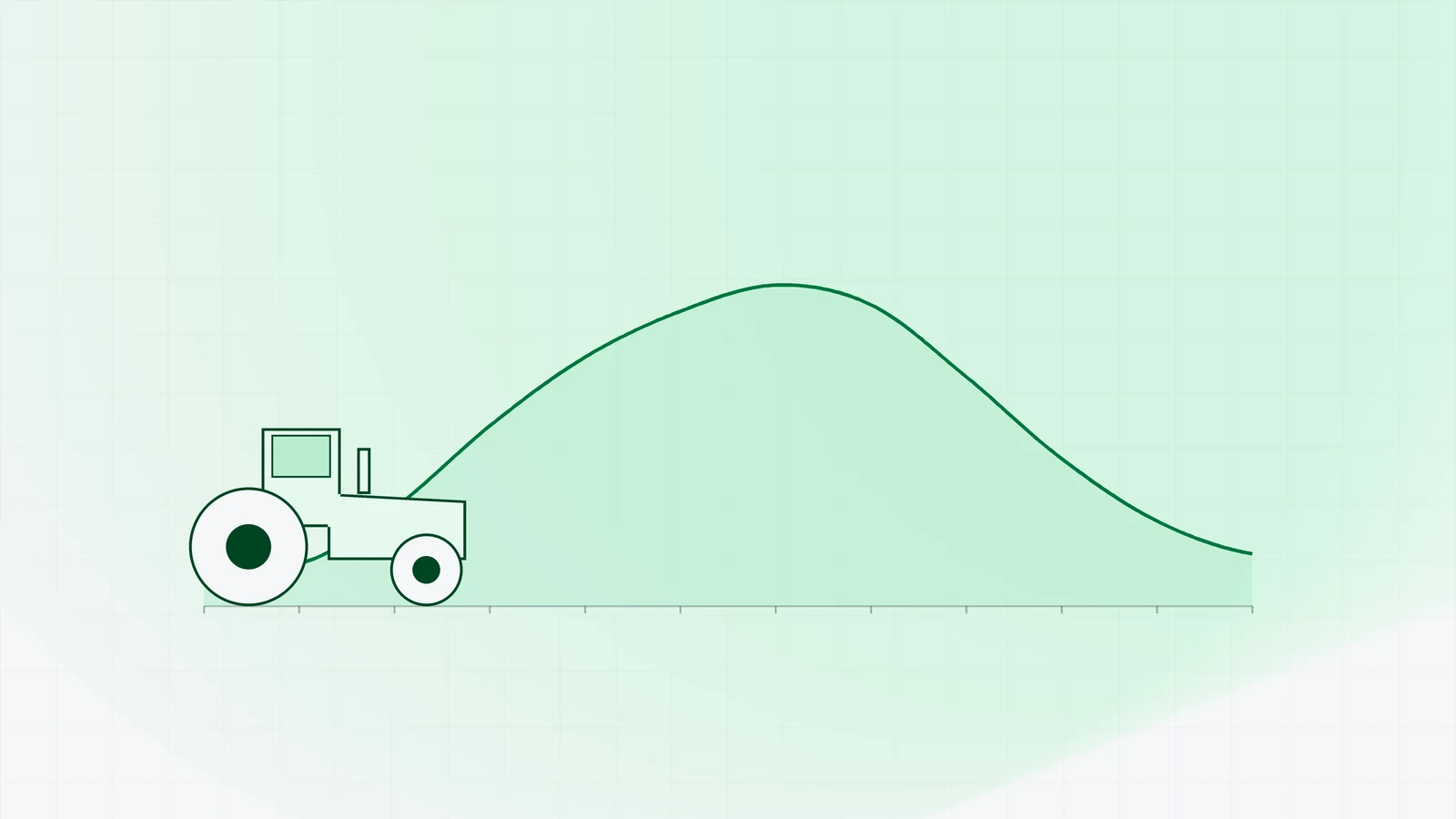
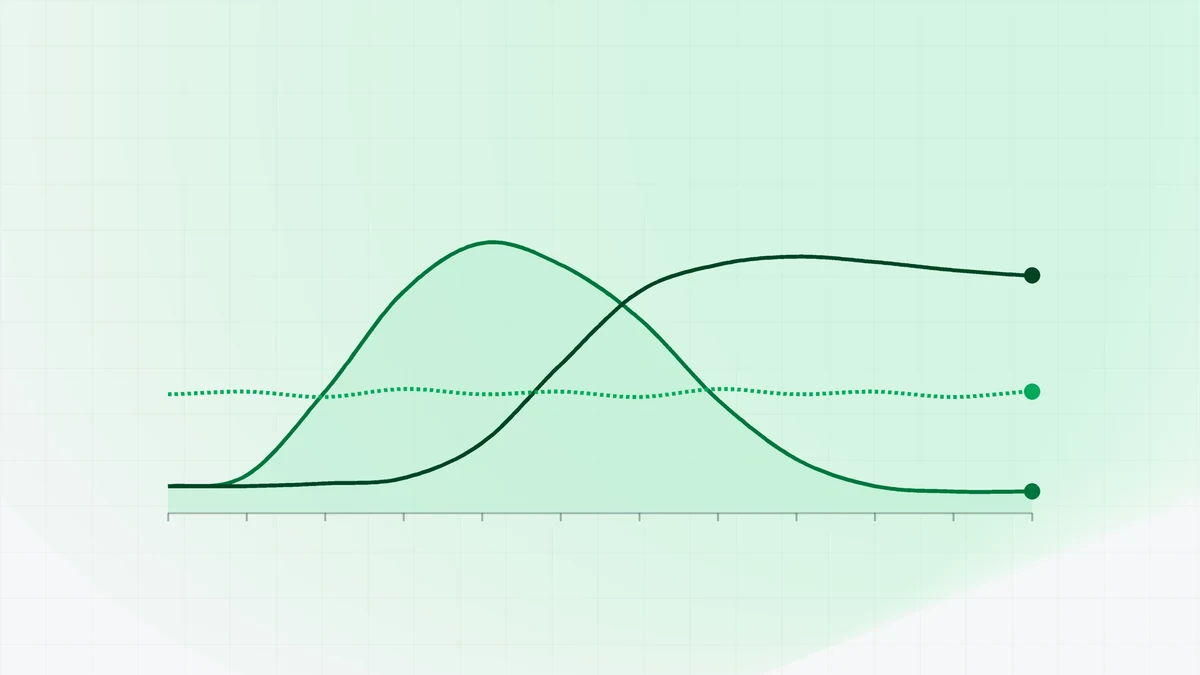
Three calendars: a macadamia harvest window, year-round cattle sales, and the mid-year cane crush. The finance has to fit the one you are on.
How lenders look at agricultural equipment
Equipment finance is secured against the machine, so the lender is assessing two things at once: the asset and the business behind it. Agricultural gear gets a closer look than a delivery van because it is specialised, it works hard, and its second-hand market is thinner.
Asset type and age at the start and end of the term
Most lenders set an age limit not just at the start of the term but at the end of it: a machine that will be, say, fifteen years old when the last repayment falls due may be outside one lender's policy and inside another's. Tractors and common harvesters are the easiest to place. Highly specialised processing plant, older gear and anything without a clear resale market narrows the field. Age limits differ between lenders, and that difference is a large part of what a broker compares.
New, used, dealer, private sale or auction
Where the machine comes from changes what the lender wants. A new machine from a dealer comes with an invoice, a warranty and a clear value. A used machine from a dealer usually still has an invoice and some form of warranty. A private sale needs more: proof of ownership, a Personal Property Securities Register check to confirm nobody else has finance over it, often an inspection or valuation, and a payment mechanism the lender is comfortable with. Auction purchases add timing pressure, because payment is usually due within days of the hammer falling, so the finance conversation has to happen before you bid.
Security and guarantees
Equipment finance is secured against the machine itself. Farm land is not automatically pledged, although a director or personal guarantee is usual, and for larger or older assets some lenders ask for more. If keeping the land out of it matters to you, say so at the start; it is one of the criteria that sorts the panel.
The trading picture behind the asset
The lender also reads the farm. The last two seasons of financials, the current BAS, off-farm income if there is any, existing facilities and how they have been conducted, and the asset register. Where a season was disrupted by weather, flood or price, a short written explanation with dates does more than hoping the assessor works it out.
Four ways to buy farm machinery and what changes for the lender
Purchase channel
What the lender usually wants
Age considerations
Valuation
Typical extra documents
New from a dealer
Dealer invoice or quote, asset details and serial number
None at the start; term set against expected working life
Invoice price is generally accepted
Few beyond the standard application
Used from a dealer
Dealer invoice, hours and condition, any warranty
Age at the start and at the end of the term both checked
Invoice price, sometimes a market check
Service history if available
Private sale
Proof of the seller's ownership, a PPSR check, a payment method the lender accepts
Same age tests; older private-sale gear narrows the field most
Independent inspection or valuation is common
Seller's identification, a signed sale agreement, photographs and serial numbers
Auction
An in-principle assessment before bidding; the auction house invoice after
Same age tests
Hammer price, sometimes with a market check
Auction terms showing the payment deadline
Repayment shape as a question, not a promise
A farm's repayments do not have to be twelve equal monthly amounts, but they are not automatically anything else either. The shapes below exist across the market; whether a particular lender offers one, on a particular machine, to a particular farm, is a question to put to that lender.
Seasonal or skip payments. Larger payments in the income months and smaller or no payments in the lean ones. Some lenders write these for primary production; many do not.
Interest-only periods. A stretch at the start of the term, or around a known lean period, where only interest is paid.
Balloon or residual. A lump sum left owing at the end of the term, which lowers each repayment and raises the total paid. Its size is set by the lender against the machine's expected value at that date, and how it is treated for tax is your accountant's call.
Term against useful life. A term that outlasts the machine's working life leaves you paying for something that has stopped earning; a term that is too short strains the cash flow. The right answer sits between and depends on the asset.
To see how a residual and a term change the repayment shape, try the calculator below with your own figures. As an invented example only, enter a used tractor at $110,000 over five years and compare the result with and without a residual. The figures the calculator returns are estimates from the inputs you give it; the lender sets the actual terms.
Three structures cover most farm machinery finance. The differences are in who owns the machine during the term, what happens at the end and how the tax works, and the third of those is for your accountant.
Chattel mortgage. You own the machine from day one and the lender holds a mortgage over it until the last payment. At the end you own it outright, subject to any balloon.
Finance lease. The lender owns the machine and you lease it for the term. At the end you may pay the residual and take ownership, return it or refinance, depending on the agreement.
Rental. You pay to use the machine for the term and hand it back, with no ownership intent. It suits gear you expect to replace often or do not want on the balance sheet.
Our chattel mortgage, lease and hire purchase comparison goes through the mechanics. Which structure suits your farm depends on ownership, cash flow and tax treatment, and the tax treatment is your accountant's call.
Chattel mortgage, finance lease and rental for farm machinery, in plain words
Question
Chattel mortgage
Finance lease
Rental
Who owns the machine during the term
You, with the lender's mortgage over it
The lender
The rental company
What happens at the end
You own it outright once any balloon is paid
Pay the residual and take ownership, return it or refinance
Hand it back, or upgrade under a new agreement
Cash-flow shape
Fixed repayments; balloon and seasonal options depend on the lender
Fixed rentals; residual at the end
Fixed rentals; no lump sum at the end
Who to ask about tax treatment
Your accountant
Your accountant
Your accountant
Term against working life: lenders set age limits at both ends of the term, and the machine has to keep earning through the whole of it.
Preparing the application
A complete file is the biggest thing you control. For farm machinery it usually means:
The quote or invoice, with the asset's make, model, year, hours and serial number.
The last two years of financial statements and the most recent BAS.
Six to twelve months of bank statements for the farm accounts.
The asset register, so the lender can see what else the farm owns and what is already financed.
Details of existing facilities and how they have been conducted.
Evidence of insurance, or a note that cover will be arranged from settlement.
A short written account of any disrupted season, with dates.
If you already have these together, you can send us your documents and we will tell you what the file supports.
We are a broker, not a lender. What we do is put one clear picture of the farm and the machine in front of the part of the panel that writes primary production, with the age limits and repayment shapes already checked, so you get a clear comparison rather than hope. The lender decides. Compare machinery finance options when you are ready, or book a call to talk through the season first. Utes and trucks on the farm are covered under truck and ute finance, and our article on whether to pay cash or finance a work ute applies the same thinking to a vehicle; broader equipment finance covers plant that is not farm-specific.
General information only: not financial, legal or tax advice, and it does not take account of your objectives, financial situation or needs. 121 Brokers arranges business-purpose finance only and is a broker, not a lender. Each lender assesses an application against its own criteria and decides the outcome, amount and terms. The $110,000 tractor over five years is an invented example for the calculator, not a quote. Tax and GST treatment depends on your circumstances; confirm it with your accountant and at ato.gov.au.
When does replacing farm machinery make more sense than repairing it?
When the cost of the next failure at the wrong moment outweighs the cost of replacing. Weigh four things: what a week of downtime in the harvest or the crush would cost, how often the machine has failed and how quickly parts arrive locally, what it would fetch as a trade-in, and what your accountant says about timing and tax treatment. That is an operational decision before it is a finance one.
Can I finance a macadamia dehusker or drying equipment as well as a tractor?
Processing and handling plant such as dehuskers, sorters and drying silos is commonly financed as equipment, in the same way as a tractor or harvester. Lender appetite varies by asset: common, resaleable machinery is the easiest to place, and specialised fixed plant narrows the field. We are a broker, not a lender, and part of what we do is find out which lenders will consider a given asset before an application goes anywhere.
Do lenders finance auction purchases of farm equipment?
Some do, on conditions. The practical issue is timing: auction terms usually require payment within days, so the finance conversation and any in-principle assessment have to happen before you bid, not after. The lender will also want the auction house invoice and the same age and valuation checks as any used purchase. Ask before the sale, not from the ring.
How does a lender set the size of a balloon on farm machinery?
A balloon, also called a residual, is the lump sum left owing at the end of the term, and the lender sets it against what the machine is expected to be worth on that date. Three things generally drive the figure: the expected value of the machine at the end of the term, the strength of the second-hand market for that make and type, and how old the machine will be when the last repayment falls due. A common tractor with a deep resale market leaves more room than specialised or orphaned plant. Lenders differ, and the lender sets the figure, not the broker. How the balloon is treated for tax is a question for your accountant.
What does a lender want to see before agreeing to seasonal repayments on farm machinery?
Evidence that the income pattern is real and repeats. That generally means two seasons of financials showing when the money actually lands, the harvest or crush dates for your crop, the machine itself and how it earns through the year, and any off-farm income that carries the lean months. Some lenders offer these for primary production; many do not. Whether a seasonal structure is available on a particular machine for a particular farm depends on the lender, and it is one of the criteria we sort the panel by before recommending where to apply. We are a broker, not a lender, and the lender decides.
Why do lenders check a harvester's age at the end of the term as well as the start?
Because the machine is the security, and it has to hold its value for the whole term, not just on the day the finance settles. Many lenders cap the age a machine can reach when the last repayment falls due, on the reasoning that an old harvester is more likely to stop earning, or to be hard to resell, before it is paid off. So a used harvester that passes at the start may sit outside one lender's policy at the end and inside another's. The limits differ between lenders, and older, specialised or orphaned machinery has the fewest options. Knowing the limits before applying saves wasted applications.
How is farm equipment finance different from a farm overdraft?
Equipment finance is secured against a specific machine, runs for a fixed term and ends when the machine is paid off. A farm overdraft or business line of credit is a revolving working-capital limit you draw on and repay as cash flow allows, not tied to any asset. The first buys a machine; the second carries the months between outlay and income. Many farms use both.