Line of Credit, Overdraft or Term Loan: Matching the Facility to Your Cash Flow Gap
By 121 Brokers Team, Commercial finance brokerage
· 14 min read
· Published
The right facility for a cash flow gap depends on the gap's shape, not the product's name. A short recurring dip usually suits an overdraft, a seasonal build usually suits a line of credit, and a one-off spend that never comes back usually suits a term loan.
This is the decision piece, not the product comparison. Below, we diagnose the three shapes a gap can take, then price the same $80,000 through an overdraft, a line of credit and a term loan so you can see where the money goes. The feature-by-feature comparisons of each pair live on our compare pages, linked as we go.
Start with the gap, not the product
A cash flow gap is the period between money leaving the business and money coming back in. Before you look at any product, work out three things: how often the gap recurs, how long it lasts, and whether it closes on its own when receipts land. Those three answers point to one facility more than the others.
Many pages on this topic start from the product. Each facility is built on a different assumption about how the money comes back. Choose the product first and you can end up paying interest for 42 weeks on money you needed for ten, or pushing a $150,000 fit-out through an overdraft designed to clear every month.
On a scenario call, the first thing we ask is not how much you need but when it comes back, and whether it comes back on its own. A gap that closes when your customers pay is a different problem from a gap that only closes once you have earned the money back over three years. The rest of this article is that question, worked through with numbers.
The three cash flow gap shapes
Nearly every working capital request we see falls into one of three shapes. Some businesses carry two at once, which is covered further down. Start by finding yours.
The short recurring dip
Wages go out every fortnight; customers pay on 30-day terms. For a week or two each month the account runs low, then receipts land and it refills. The dip is small against annual turnover, it recurs every cycle, and it corrects itself without anyone doing anything. Since 1 July 2026, employers also pay super with every pay run rather than quarterly, which has made this dip deeper and more frequent for many businesses. Our article on payday super and how to fund it works through that change.
The seasonal build
Stock or staff are paid for weeks or months before the season's sales arrive. A landscaping supplier builds inventory in August and September for spring. A retailer places Christmas orders with deposits due in September, which is why we call September the decision point for financing Christmas stock. The build lasts weeks to a few months, recurs once a year in roughly the same shape, and corrects itself when sales land, provided the season performs. The amount is larger than a wages dip, and the business needs the money for a known stretch rather than a few days.
The one-off spend
A fit-out, a vehicle, a second site, a tax bill, an acquisition. The cash goes out once and does not come back as cash; it comes back, if it comes back at all, as earnings over years. Nothing about this gap self-corrects, so a facility that expects to be cleared regularly is the wrong shape. Vehicles and equipment usually belong with equipment finance secured on the item itself. Other one-off spends usually sit with a term loan, an unsecured business loan or a secured one depending on the amount and what you can offer.
Three gap shapes and the facility built for each
Gap shape
Short recurring dip
Seasonal build
One-off spend
How often it recurs
Every pay cycle or every month
Once a year, in roughly the same shape
Once
How long it lasts
Days to two weeks
Weeks to a few months
Years, as the spend earns its way back
Self-correcting?
Yes, when receipts land
Yes, if the season performs
No
Best fit
Overdraft
Line of credit
Term loan (asset finance for vehicles and equipment)
Second fit
Line of credit
Overdraft at smaller amounts; a short term loan if no revolving limit is in place
Line of credit only where the spend is small against the limit and will be cleared quickly
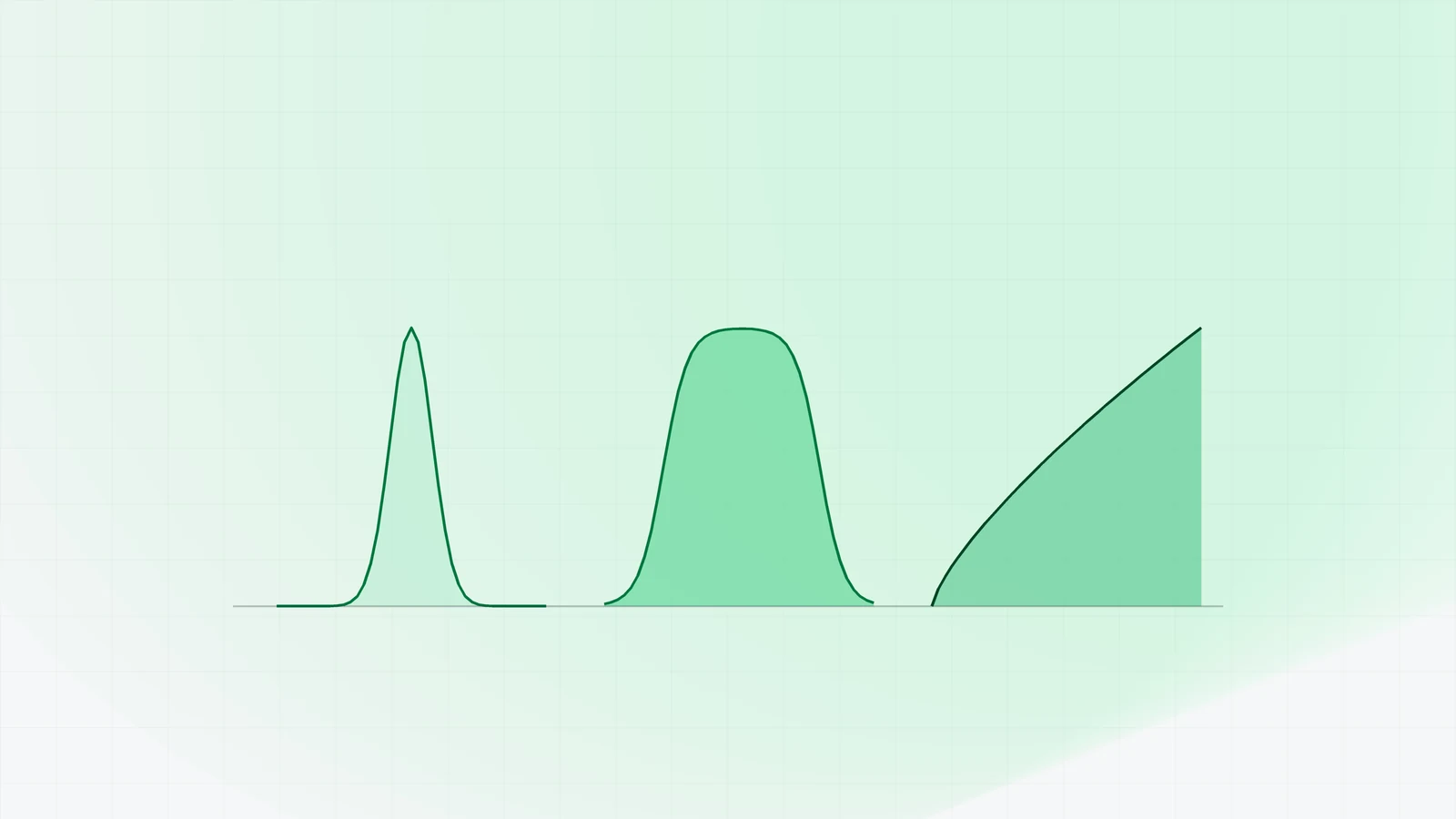
The three gap shapes. A sawtooth dip repeats every cycle, a seasonal hump rises and falls once a year, and a one-off spend steps down and stays there.
Worked example: an $80,000 seasonal gap priced three ways
A landscaping supplier needs $80,000 from mid-September for ten weeks, to cover spring stock and casual wages. Sales land across the following twelve weeks and repay it. Every number below is an invented illustration. The rates are illustration ranges used across this series of articles. They are not observations of any lender's pricing. They are not quotes, and every lender prices its own offer on your file.
Priced as a line of credit
The business holds a $100,000 line of credit and draws $80,000 for ten weeks. At an indicative 10% to 14% p.a. on the drawn balance, interest for the ten weeks is about $1,530 to $2,150. On top sits a line fee of 1% to 2% p.a. of the $100,000 limit, about $1,000 to $2,000 a year, charged whether the line is drawn or not. All in, the facility costs roughly $2,500 to $4,150 for the year, and the limit is still there next September without a new application, subject to the lender's periodic review.
Priced as an overdraft
An overdraft works on the same drawn-balance basis, so $80,000 drawn for ten weeks carries about the same interest, plus a facility fee of 1% to 2% on the $80,000 limit. Two flags. An overdraft limit of that size is usually only offered against security, often property or a general security agreement over the business. And the facility is built to swing in and out of debit over days; lenders notice when it sits fully drawn for ten weeks. The better fit for an overdraft in this business is the wages dip. Say a $20,000 overdraft carries wages each month, peaking at $20,000 on payday and clearing as receipts land, so the average drawn balance is about $12,000 across three weeks. At the same 10% to 14% indicative range that is about $70 to $100 a month in interest, plus a facility fee of about $200 to $400 a year on the limit.
Priced as a term loan
Borrow $80,000 over 12 months at an indicative 12% to 20% p.a. on a reducing balance and interest comes to about $5,300 to $9,000, plus a 2% establishment fee of $1,600 in this illustration: roughly $6,900 to $10,600 all in. Repayments start in the first month, before most of the spring sales have landed. For the 30 weeks the business does not need the money, it either sits in the account earning little or drifts into spending it was not borrowed for. Some contracts allow early payout without penalty and some do not. Finder's comparison (as at 11 August 2026) lists business loan terms from 3 months to 7 years and establishment fees from nil to 3.5% of the amount borrowed, so the 2% used here is a middle figure, not a market rate.
For this gap shape, the line of credit is the cheapest of the three by a wide margin. That is a statement about the shape, not a recommendation. The same term loan would be the right tool if the $80,000 were a fit-out, and the overdraft would be the right tool if the gap were a fortnightly wages dip. Change the shape and the ranking changes with it.
To run your own gap, enter the balance you expect to draw and the weeks you expect to stay drawn, then set it against a 12-month term loan for the same amount in the calculator below.
The pricing above follows from how each facility is built. Here is what each one assumes about your cash, in the terms a credit assessor would use.
Overdraft: attached to the trading account, for days not months
An overdraft lets your transaction account run below zero up to an approved limit. Interest is calculated daily on the negative balance, and the account is expected to swing back into credit regularly. Lenders read that swing. An overdraft that sits at its limit for months reads as a term loan in disguise, and that conversation tends to end with a request for security or a restructure. Smaller limits may be available unsecured; larger limits are usually sought against property or a general security agreement. For the feature-by-feature detail, see line of credit vs overdraft, compared feature by feature.
Line of credit: a separate revolving limit, for weeks to a season
A business line of credit is a standalone facility with its own limit. You draw what you need, repay when cash lands, and draw again, paying interest on the drawn balance and a line fee on the limit. It is the shape that matches a seasonal build: drawn for the weeks you need it, quiet the rest of the year, and available again next season without reapplying, subject to the lender's periodic review. Some non-bank lenders offer lines unsecured at smaller limits; bank lines are usually sought against security. Our guide to how a business line of credit works covers limits, reviews and repayment mechanics.
Term loan: a lump sum with an end date, for spending that does not come back
A term loan advances the full amount on day one and takes it back on a fixed schedule with a fixed end date. Interest is charged on the reducing balance, which makes it the cheapest way to hold a large sum for a long time and the dearest way to hold a sum you only need for a few weeks. It suits the one-off spend: the fit-out, the second site, the tax bill. Unsecured business loans run at higher indicative rates than secured ones, because the lender has nothing to fall back on but your trading. For the full decision on the pair, read term loan vs line of credit: the full comparison.
The cost shapes that decide it
Three cost mechanics do most of the work in the worked example. Once you can see them, you can price any gap roughly in your head before a broker or lender does it properly.
Paying for a limit or paying for a balance
A revolving facility has two prices: a small standing charge for the limit (the line or facility fee) and interest on whatever is drawn. A term loan has one price, interest on the whole amount, from the day it is advanced until it is repaid. So the deciding question is how many weeks a year you will actually be drawn. Drawn for ten weeks, the revolving facility wins easily. Drawn for 50 weeks, the standing charge plus a higher drawn rate can cost more than a term loan at a lower rate, which is the break-even the compare page works through.
Line fees and unused-limit fees
The vocabulary varies by lender. A line fee or facility fee is charged on the approved limit whether it is drawn or not. Some lenders instead charge an unused limit fee, which applies only to the undrawn portion, so the total falls as you draw. Establishment fees are one-off. Interest on the drawn balance is calculated daily. As at 5 August 2026, comparison site Money.com.au observed business overdraft rates of 13.85% to 25.00% p.a. across the products it lists, with facility fees typically 1% to 2% of the limit. The 10% to 14% in our illustration sits at the secured, bank and near-bank end of that spread; unsecured products price higher, and a quote for your business could sit anywhere in the range.
Why a term loan for a recurring gap charges interest on money you are not using
Take the wages dip: $20,000 needed for about three weeks a month. Fund it with a 12-month term loan and you pay interest on $20,000, reducing as you repay, for 52 weeks to cover a problem that exists for about 36 of them, and the loan ends while the dip carries on. Fund it with an overdraft and you pay for the days you are actually below zero. A lower rate does not rescue the mismatch. Reserve Bank of Australia data put the average rate on outstanding small business lending at 7.45% p.a. as at June 2026, well under the unsecured ranges in our example, but a low rate on money you are not using is still a cost with no return.
Cost components of an overdraft, a line of credit and a term loan (illustration ranges)
Cost component
Overdraft
Line of credit
Term loan
Interest basis
Daily on the negative balance of the trading account; indicative 10% to 14% p.a. secured in our illustration, unsecured products higher
Daily on the drawn balance; indicative 10% to 14% p.a. in our illustration
On the full amount, reducing as you repay; indicative 12% to 20% p.a. unsecured, 8% to 12% p.a. secured
Line or facility fee
Facility fee of 1% to 2% p.a. of the limit in our illustration, or an unused limit fee
Line fee of 1% to 2% p.a. of the limit in our illustration, or an unused limit fee
None
Establishment fee
One-off; some lenders waive it for existing customers
One-off, often a percentage of the limit
One-off; Finder lists nil to 3.5% of the amount borrowed (as at 11 August 2026); 2% in our illustration
Early payout
Not applicable; repay by bringing the account back into credit
Not applicable; repay any time and the limit stays open
Depends on the contract: some allow it free, some charge a fee or part of the remaining interest
Security usually sought
Property or a general security agreement at larger limits; smaller limits sometimes unsecured
Unsecured at smaller limits from some non-bank lenders; bank lines usually secured
Unsecured up to lender-specific caps; secured for larger amounts or lower rates
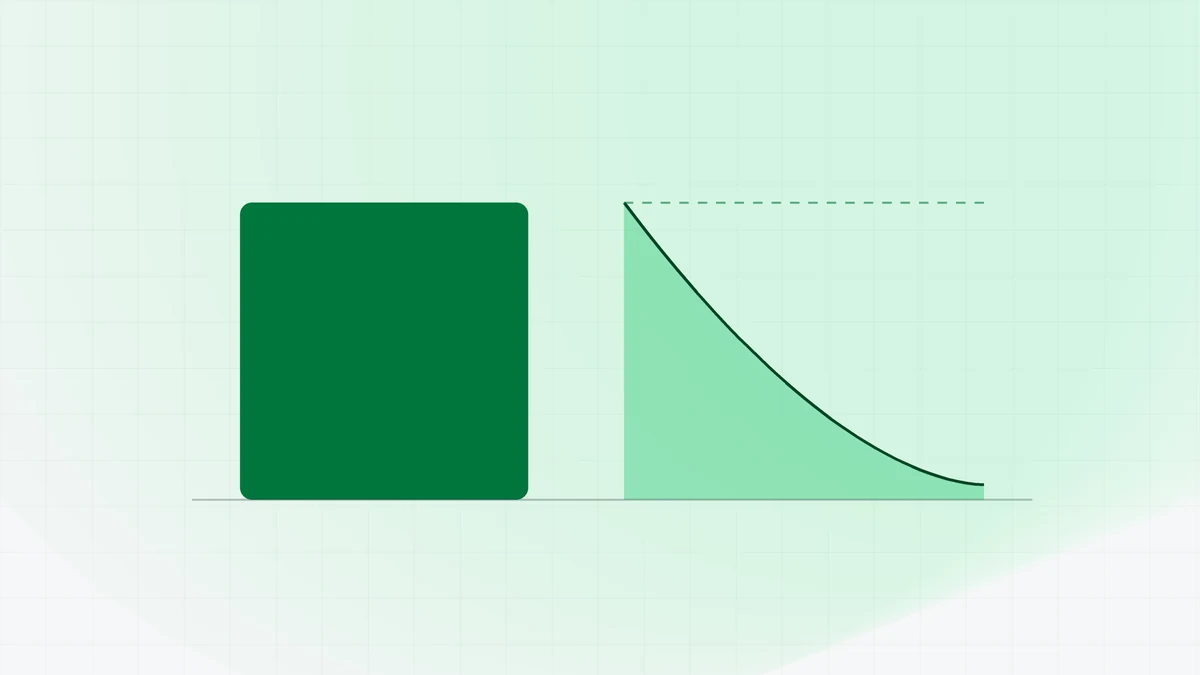
Interest on a revolving facility follows the balance up and down. Interest on a term loan runs on the whole sum for the whole term, whether the money is needed that week or not.
When the answer is two facilities
Plenty of businesses carry two gap shapes at once, and one facility stretched across both usually fits neither. Two combinations come up often. The first is a small overdraft as a buffer plus a term loan for the one-off: the overdraft carries the wages dip and the term loan funds the fit-out, so neither facility is asked to do the other's job and the overdraft is never parked fully drawn on a capital spend. The second is a line of credit plus invoice finance for slow payers: if the seasonal build is real but the deeper problem is customers taking 45 days to pay, invoice finance releases cash from the debtor book while the line covers the stock. Our guide to matching working capital tools to the gap runs the wider triage, including when borrowing is not the fix at all.
Two facilities also mean two sets of fees and two lenders reading your account, so the combination has to earn its place. A broker can price the pair against a single larger facility and show you which costs less on your actual usage pattern.
Questions to answer before you apply
Bring these five answers to any lender or broker conversation and the product choice becomes short. They are also what a credit assessor is looking for in your statements.
How often does the gap recur? Every pay cycle, once a year, or once only. Recurring points to a revolving facility; once only points to a term loan.
How long does it last? Days suit an overdraft, weeks to a season suit a line of credit, years suit a term loan matched to the life of what you are funding.
Does it close on its own? If the gap only closes because you repay it from profit, it is a one-off spend whatever it looks like on the bank statement.
What security can you offer, and will you? Property or a general security agreement usually opens larger limits and lower indicative rates; unsecured facilities cost more and cap lower.
How will the lender read your account conduct? Most lenders ask for recent bank statements and look at dishonours, an existing overdraft parked at its limit, and ATO arrears. Apply while the statements still show a clean rhythm, not after a missed payment.
Before that conversation, the loan comparison calculator lets you put two or three structures side by side on your own numbers. Treat every output as an estimate. The lender's assessment is the only number that counts.
Ready to price your actual gap?
121 Brokers, a business finance brokerage, is not a lender. We do not set rates or approve facilities. We take the shape of your gap to a panel of lenders and bring back the options that fit, priced on your file, and we tell you plainly if the cheapest answer is not borrowing at all. Every figure in this article is an invented illustration built on indicative ranges, and your quote will differ. Tell us the shape of the problem and we will show you the facilities built for it. Compare my options.
General information only, not financial advice and not a recommendation of any product. Rates, fees and limits in this article are indicative illustrations; product features and criteria vary by lender, and every lender assesses each application on its own facts and makes its own decision. Consider your circumstances and seek professional advice where appropriate.
What is the best type of finance for a cash flow gap?
There is no single best type; it depends on the shape of the gap. A short dip that recurs every pay cycle usually fits an overdraft. A seasonal build lasting weeks to a few months usually fits a line of credit. A one-off spend that does not come back as cash usually fits a term loan. Work out how often the gap recurs, how long it lasts and whether it closes on its own, then match the facility to those answers.
Should I get a line of credit or a term loan for working capital?
Ask how many weeks a year you will actually be drawn. If the need comes and goes, a line of credit charges interest only on the drawn balance plus a line fee, so it is usually the cheaper shape. If you need the full amount for most of the year, a term loan at a lower rate can cost less overall. The break-even is the number of weeks a year the balance stays drawn; past roughly the point where the line fee plus drawn interest exceeds term-loan interest, the lump sum wins.
Is an overdraft cheaper than a line of credit?
On the drawn-balance basis in our example, the interest cost is similar because both charge daily on what you use. The differences are in fees, limits and security: overdrafts at larger limits are usually sought against security, while some lenders offer smaller lines of credit unsecured at higher rates.
Do I pay interest on a line of credit if I do not use it?
No interest, but usually a fee. Interest is charged only on the drawn balance. Most lenders charge a line fee or facility fee on the approved limit whether it is drawn or not, 1% to 2% p.a. in our illustration, and some charge an unused limit fee on the undrawn portion instead. A $100,000 limit left undrawn all year can still cost about $1,000 to $2,000 on those illustration figures.
Can I use a term loan for seasonal cash flow?
You can, and some businesses do when no revolving limit is in place and the season is close. The cost is that you pay interest on the full amount for the full term, including the months you do not need the money, and repayments start before the season's sales land. If the same build recurs every year, a line of credit sized to the peak is usually the better shape.
How much line of credit does a small business need?
Size it to the peak of the gap, not to annual turnover. Map the weeks the account runs short, take the deepest point, and add a margin for a late-paying customer. In our example an $80,000 seasonal build sat inside a $100,000 limit. A limit far above the peak costs line fees on money you never draw, and every lender assesses whether the limit is supportable from your trading.
Can I have an overdraft and a line of credit at the same time?
Yes, and some businesses run both: an overdraft for the day-to-day wages dip and a line of credit for the seasonal build. Each lender treats the other facility as an existing commitment, so the combined limits have to be supportable from your cash flow. Two facilities also mean two sets of fees, so the pair should cost less on your usage pattern than one larger facility would.