A business line of credit is a revolving limit a lender approves for your business. You draw funds up to that limit whenever you need them, repay as your income lands, then draw again, all without a fresh application each time. Critically, you pay interest only on the balance you have actually drawn, not on the full limit sitting available. It is built for recurring, hard-to-predict cash-flow gaps rather than a single large purchase.
That distinction matters, because roughly one in five Australian SMEs reported difficulty getting finance in 2025 (RBA Bulletin, October 2025), and a lot of that friction comes from applying for the wrong product. Below is how a line of credit actually works, what it costs, and when it earns its keep. We are a broker, not a lender, so the aim here is to help you read a facility properly before you sign one.
What is a business line of credit?
Think of it as a pool of pre-approved funds your business can dip into on demand. The lender sets a maximum, say $50,000 or $250,000, and the money sits there ready. Draw $20,000 to cover a payroll run and you owe interest on that $20,000 only. Repay $10,000 next month and your available limit climbs back up, ready to draw again. This is what "revolving" means: the limit refills as you repay.
A line of credit is a standalone facility, which is what separates it from an overdraft attached to your bank account. Because it is standalone, you can compare lenders on it without moving your everyday banking. Our business line of credit page covers the product in full; this article focuses on the mechanics.
How a business line of credit works, step by step
Getting a limit approved
A lender assesses your business and sets a limit. For a revolving facility, most lenders want to see a trading history and consistent revenue moving through your business account, because the facility is repaid out of trading. Your recent business bank statements do most of the heavy lifting in the assessment. A director guarantee is standard.
Drawing funds
Once the limit is in place, you draw what you need, when you need it, usually straight into your transaction account. There is no need to justify each draw or reapply. The limit is yours to use up to the ceiling.
Interest on drawn funds only
This is the feature that defines the product. Leave the limit untouched and no interest accrues on it. Draw $30,000 and you pay interest on $30,000 for the days it is outstanding. That is very different from a term loan, where interest runs on the whole amount from day one, whether you needed all of it or not.
Repaying and redrawing
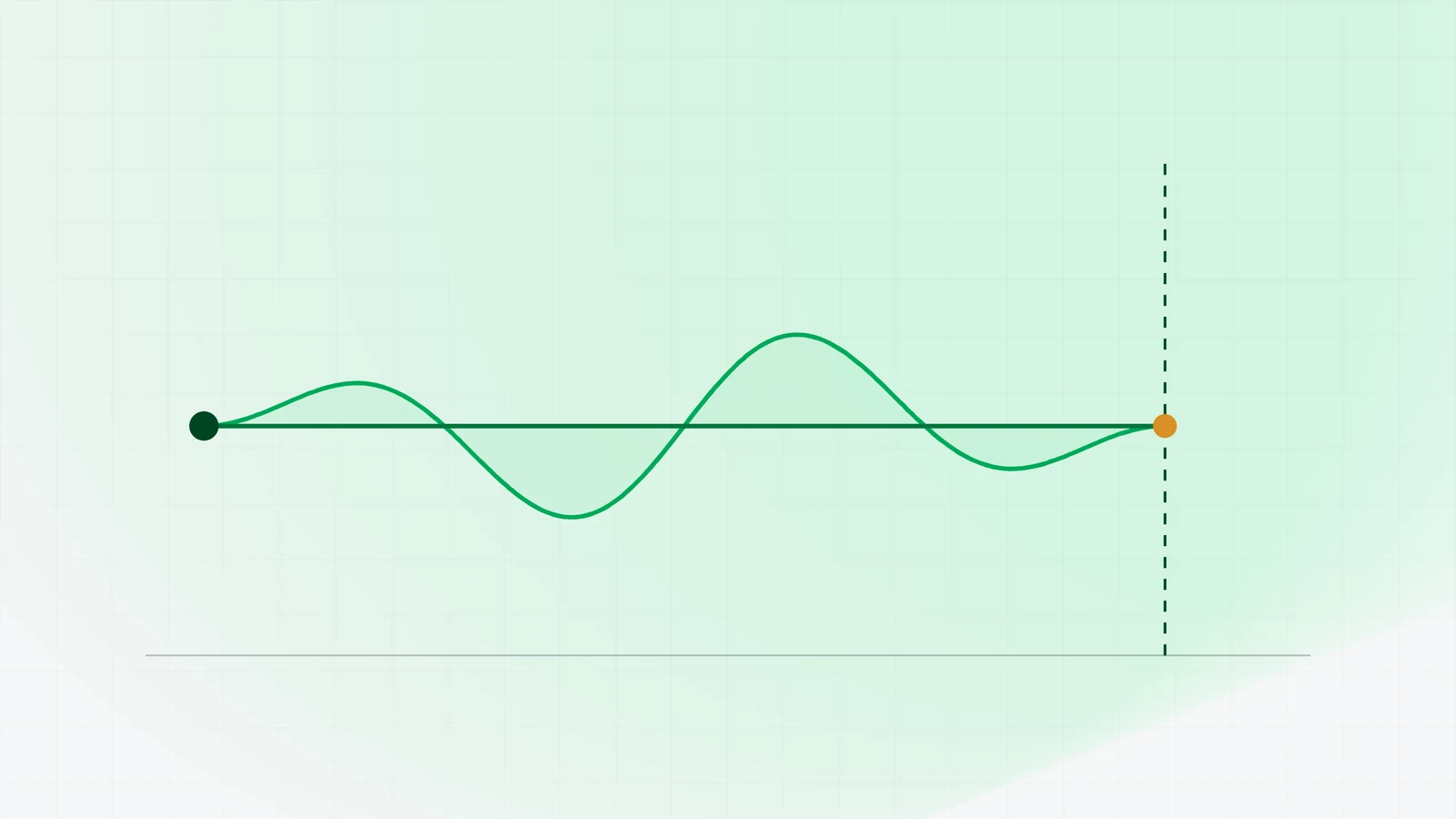
You repay on the facility's terms, and every dollar repaid frees the limit back up to draw again. Over a year, a seasonal business might draw the limit up before its busy period, sit near the top through the build-up, then pay it back down across the trading peak and sit at zero for months. Same limit, four very different balances, interest charged only when a balance was there.
Line of credit vs overdraft vs term loan
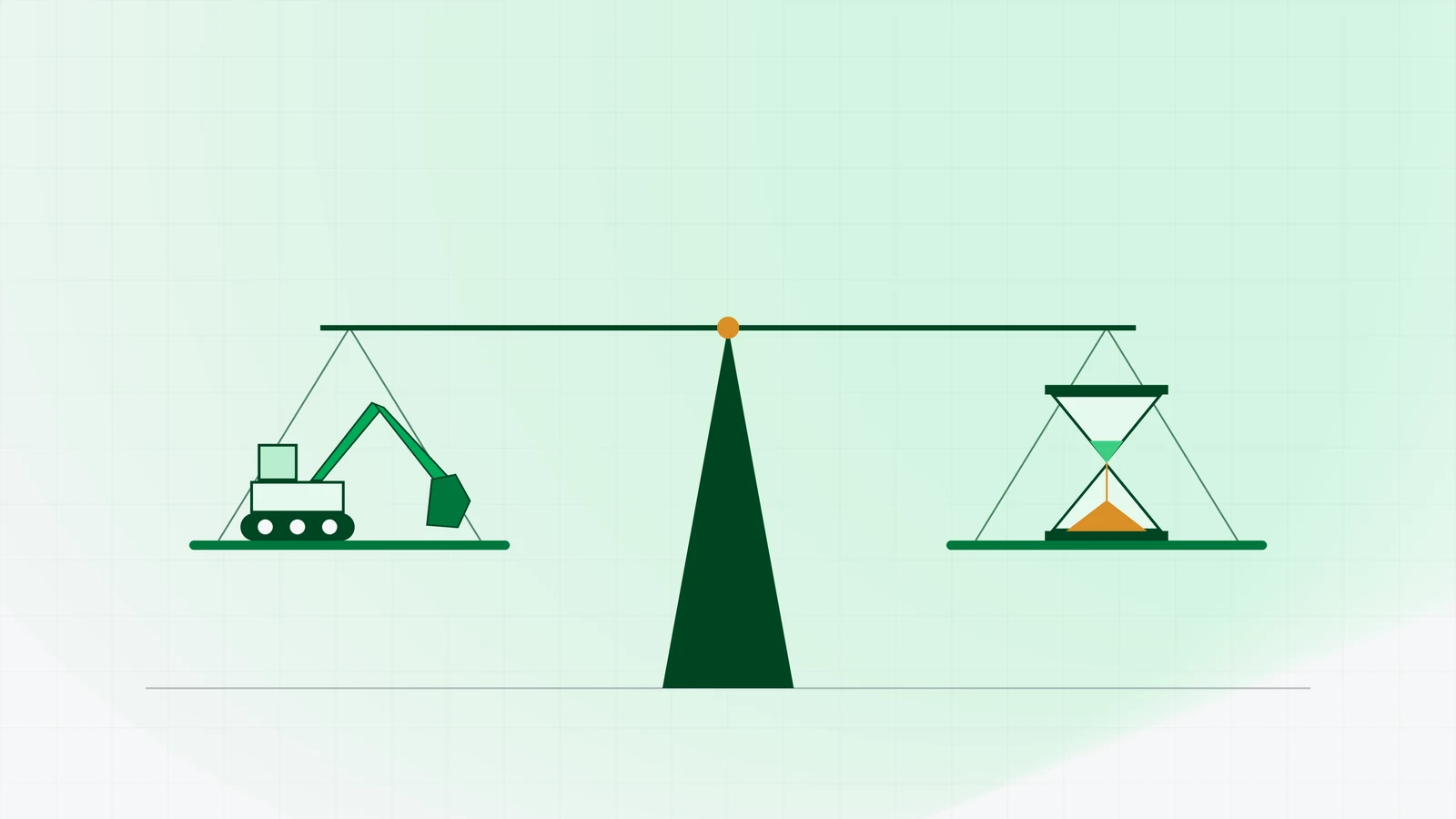
All three lend you money, but they behave differently, and the right one depends on whether your need repeats.
| Feature | Line of credit | Overdraft | Term loan |
|---|
| What it is | A standalone revolving limit | A revolving limit attached to your bank account | A fixed lump sum paid out once |
|---|
| Interest charged on | The drawn balance only | The overdrawn balance only | The full amount from drawdown |
|---|
| Reusable without reapplying | Yes, up to your limit | Yes, up to your limit | No |
|---|
| Best suited to | A recurring, unpredictable gap | A small buffer on your trading account | A known, one-off purchase |
|---|
The overdraft comparison is close enough that it deserves its own piece: see business line of credit vs overdraft. For one-off purchases, a term loan usually prices better, and you can weigh those on the business loans hub.
What a business line of credit costs
A line of credit has two moving parts, and looking at only one is how businesses misjudge the cost.
The first is interest on your drawn balance. As at July 2026, market scans of Australian lenders put secured line-of-credit pricing from around 8 per cent per annum, with unsecured facilities higher. These are indicative market ranges, not an offer: the actual rate depends on the lender, whether the facility is secured, and the strength of your trading. We do not set rates; the lender does.
The second is the line fee, also called a service or account-keeping fee, charged for holding the limit available whether you draw or not. A facility with a sharp rate and a heavy line fee can cost more across a year than one with a higher rate and a low fee. Compare total annual cost at your realistic drawn balance, not the headline rate.
To get a feel for the interest side of a drawn balance, estimate the repayment on the amount you would typically draw:
Treat that as an estimate only. It sizes the interest cost of a drawn balance; add the line fee to see the full annual picture.
Who a business line of credit suits
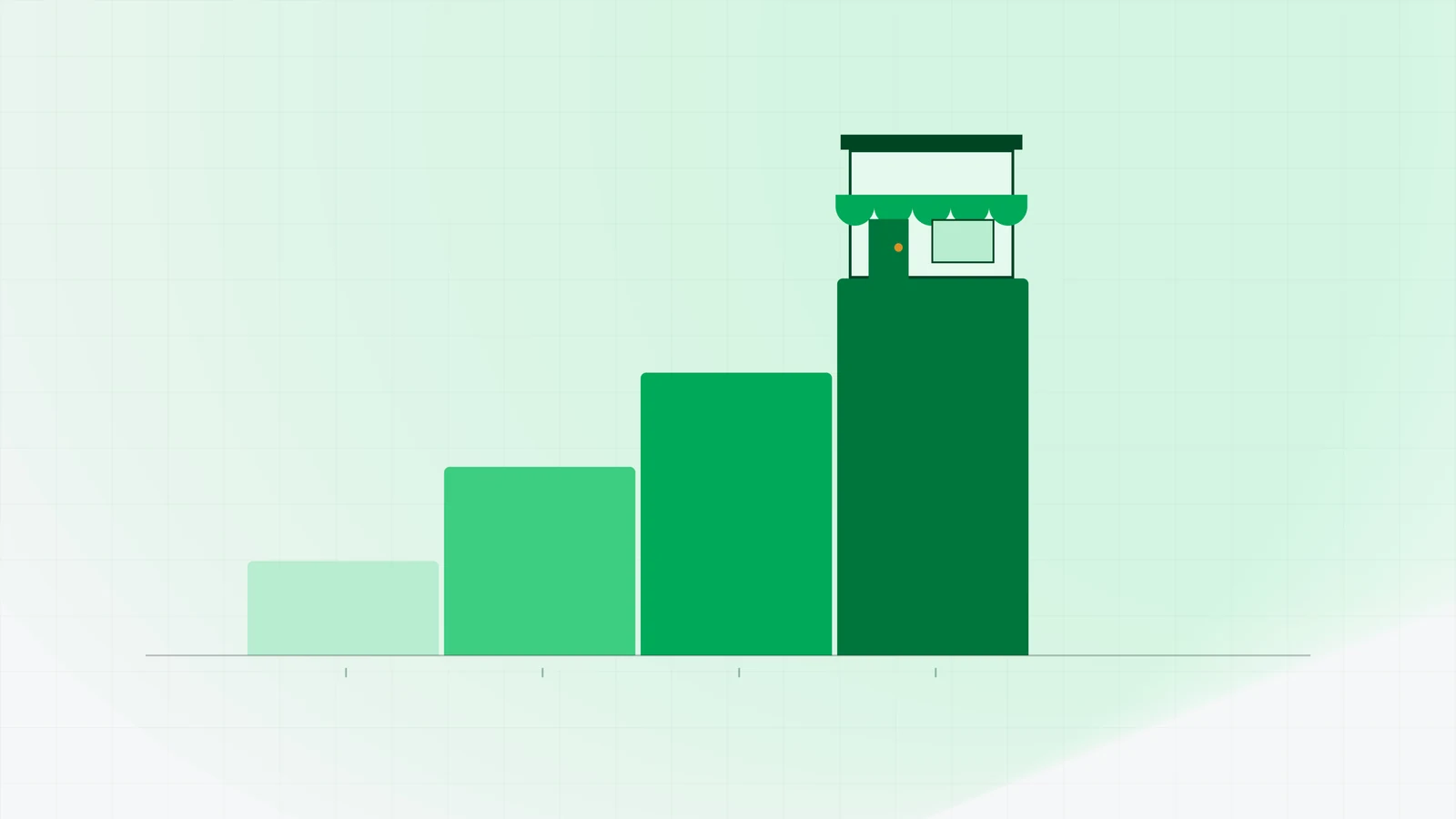
The businesses this product fits best share one trait: money goes out before it comes in, and the gap repeats. A retailer buying stock months ahead of the selling season. A hospitality venue carrying payroll through a quiet fortnight. A trades or construction business funding materials and labour on a job that pays on completion.
If your cash is instead stuck in unpaid invoices your customers already owe, invoice finance scales with your ledger and is often the sharper tool. A line of credit earns its fee when the gap is recurring and unpredictable, not when the money is already earned and simply late.
Secured or unsecured lines of credit?
Both exist. An unsecured line needs no asset pledged, but limits are generally smaller and pricing higher, because the lender carries more risk. A secured line, usually against property, generally unlocks a larger limit and sharper pricing, at the cost of a valuation and more paperwork. A director guarantee is standard either way. Which path suits you depends on whether you have equity available and how soon you need the limit in place.
Worth noting: the ScotPac SME Growth Index 2026 found about one in five SMEs chose a non-bank lender specifically to avoid pledging personal guarantees or non-property assets, and about one in six to keep the family home out of it. A broker panel gives you room to weigh those trade-offs rather than take the first structure offered.
How to get a business line of credit through a broker
You tell us your position once: trading history, how cash flow moves through your year, what the limit is for, and whether you have security available. We match your file to the lenders on our panel whose appetite fits, then compare what they return on the things that matter: limit, interest rate, line fee, how you draw, and what happens if the limit sits unused. You choose, and we handle the paperwork with the lender you pick.
The best time to arrange a facility is a month you are trading well, not the month you are short. When you are ready, compare your options with a broker.
Reviewed by the 121 Brokers credit team. General information only: not financial, legal or tax advice, and it does not consider your objectives, financial situation or needs. Rate and fee ranges are indicative market observations, not promises, quotes or offers. 121 Brokers arranges business-purpose finance only and is a broker, not a lender. Approval, limits, rates, fees and timing are determined by the lender and subject to its credit criteria.