Seasonal cash flow for Byron Bay and Ballina hospitality: carrying the quiet months
By 121 Brokers Team, Commercial finance brokerage
· 12 min read
· Published
· Updated
Seasonal cash flow in hospitality is the gap between a venue's fixed costs, which run all year, and its takings, which do not. On the Byron and Ballina coast the shape is predictable: summer and Easter peaks, a June to August trough. Lenders who write coastal NSW tend to read that as a pattern rather than a fault, though they differ in how much weight they give it. The question is which facility matches the shape, and that is a comparison of numbers, not a leap. 121 Brokers is a broker, not a lender.
This article is for owners of cafes, restaurants, bars, venues and accommodation from Byron Bay and Bangalow down to Lennox Head and Ballina. It describes the local year as a lender sees it, where the cash actually goes in winter, the four ways operators carry the trough, how to size a facility, and what a lender looks at in seasonal hospitality accounts. For the local pages, see business finance broker Byron Bay and business loans Ballina.
The shape of a Byron and Ballina year
Byron Bay's economy centres on tourism and creative industries, with wellness businesses shaping much of its service economy, and Byron Shire Council's Economic Strategy 2025 to 2035 names tourism, creative, knowledge, business services and food among the sectors it supports. Visitor numbers peak in December and January with the summer school holidays, with a secondary peak around Easter and the autumn festivals; June to August is the low season. That is the whole story of hospitality cash flow here in two sentences, and every venue owner on the coast knows it in their bones.
Ballina has a different base and the same calendar. It is a fishing port, with the member-owned Ballina Fishermen's Co-operative at West Ballina handling the local catch, and Ballina Byron Gateway Airport, owned and operated by Ballina Shire Council, brings visitors in from Sydney and Melbourne for Ballina, Byron Bay and Lismore alike. The Pacific Highway runs past the town as four lanes, so the drive-in trade from Brisbane and the Gold Coast comes through Ballina as well. Lennox Head, between the two, is a coastal tourism and surfing village whose cafes fill and empty with the same tides. Inland, Bangalow's cafe and boutique main street and monthly market draw day visitors on the strength of the streetscape and its proximity to Byron Bay, and Brunswick Heads trades on its harbour, cafes and specialty shops. Further up the coast, Kingscliff's Marine Parade runs on the same summer rhythm.
What matters for finance is not the exact visitor count but the shape: a high summer, a shoulder at Easter, and a winter in which the rent, the lease payments and the core staff still have to be paid.
Where the cash actually goes in the quiet months
When owners describe their winter, the same costs come up in the same order.
Rent and leases. Premises rent, equipment leases and vehicle repayments are the same in August as in January. They are the floor under the trough.
Retaining good staff. This is the cost everyone mentions first. A chef or a front-of-house lead who leaves in July is not back in December, and rehiring and retraining before the season costs more than the winter wages did. Whether and how to retain staff is a business decision for you; the financing of it is the part we can talk about.
Supplier terms. Suppliers who extend terms in summer are less patient in winter, and some tighten to payment on delivery for accounts that stretch.
Insurance, licences and compliance. Renewals land on the calendar, not on the takings. Our GST calculator shows how much of a quarter's taxable takings is GST.
Planned maintenance and refits. Winter is when the kitchen gets rebuilt, the floor gets done and the cool room gets replaced, because it is the only time the doors can close without losing a peak.
The pre-season stock build. October and November takings have to fund the stock, the casual roster and the marketing for December before December pays for any of it.
A facility carries some of that list. It should not carry all of it, and knowing which lines you are financing is the first step to sizing it properly.
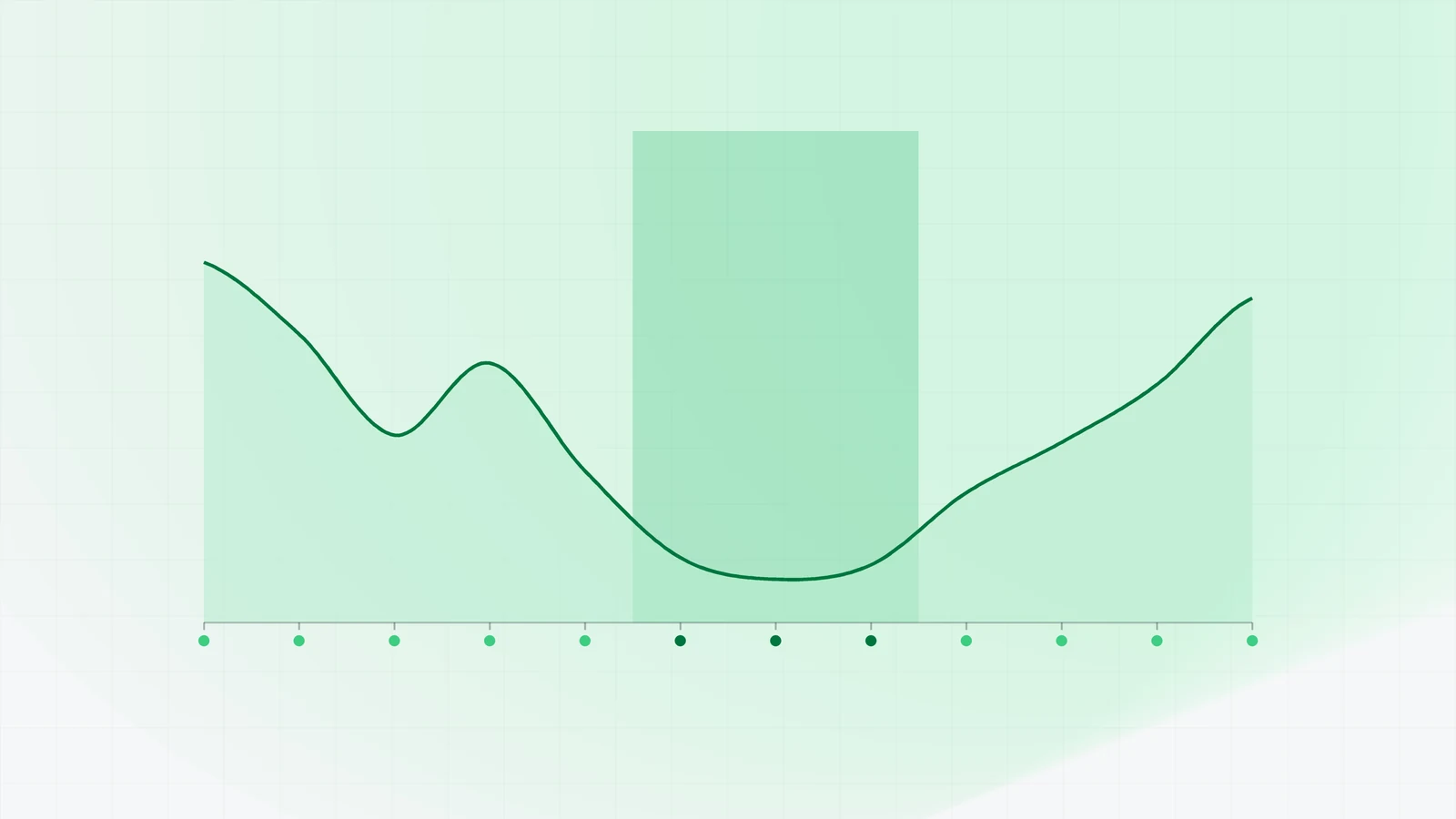
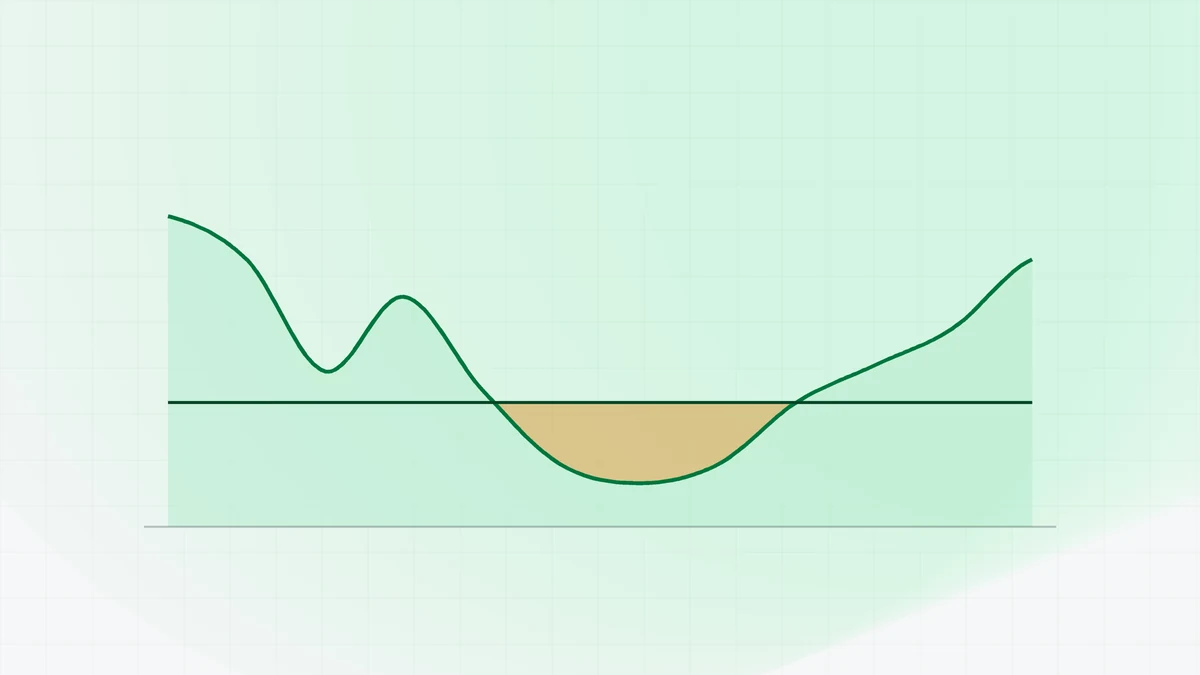
Fixed costs run flat across the year; takings do not. The trough is the gap between the two lines from June to August.
Four ways operators carry the trough
Four approaches account for nearly everything we see from coastal hospitality businesses. They are not interchangeable, and the right one depends on whether the need recurs every winter or arrives once.
A revolving facility drawn in winter and repaid in summer
A kitchen rebuild, a new cool room or a fit-out for a second site is a one-off, and a one-off suits a fixed-term facility: equipment finance secured against the asset where the spend is on equipment, or an unsecured business loan where it is not. Fixed repayments over a set term, and the cost is known at the start. Using a term loan to carry a recurring winter tends to leave the business repaying in the next trough; the term loan and line of credit comparison explains why.
A merchant cash advance repaid from card takings
A merchant cash advance is a lump sum repaid as a share of daily card settlements, so repayments fall in winter and rise in summer. That shape appeals to venues, and providers look at the card data more than the balance sheet. It is generally the dearest option, because the total repayable is fixed on day one and repaying early saves nothing, so it is worth pricing a line of credit or an unsecured loan first; our merchant cash advance and business loan comparison sets the two side by side.
Cash reserves built in season
The cheapest facility is the one you do not need. A venue that sets aside part of its December and January surplus carries some or all of its own winter. Most owners do this to a degree; the question is whether the reserve covers the deepest month, and a facility is the answer for the part it does not.
Four ways to carry a hospitality trough: what each is sized to and what it costs when drawn and undrawn
Approach
What it is sized to
Cost when unused
Cost when drawn
Fit for a recurring trough
Fit for a one-off
Business line of credit
The deepest expected trough plus a buffer
A line or unused-limit fee, in most cases
Interest on the drawn balance plus any line fee
Good: drawn in winter, repaid in summer, at zero through the peak
Workable, but a term facility usually fits a one-off better
Term loan (equipment finance or unsecured)
The cost of the one-off purchase or project
Nil; the full amount is borrowed on day one
Interest on the full amount plus any establishment fee, over a fixed term
Poor: repayments continue into the next trough
Good: fixed cost, fixed end date
Merchant cash advance
A share of expected card takings
Nil once repaid; no limit is held
A fixed total set on day one, repaid as a share of card settlements; generally the dearest option
Repayments follow takings, but the cost is high for a need that returns every year
Possible, but price an unsecured loan first
Cash reserves
Whatever the peak season leaves over
The return that cash could have earned elsewhere
Nil
Good, for the part of the trough it covers
Good, if the reserve is large enough
Sizing a facility to the season, not the panic
The most common mistake with a seasonal facility is sizing it in August, from the worst week, to the largest limit anyone will offer. The second most common is sizing it in January, from the best month, to a limit that runs out in the second week of July. Both cost money: a limit that is too large carries line or unused-limit fees on money that is never drawn, and a limit that is too small fails at the moment it was meant for.
How to size a seasonal line of credit, in four steps:
Map last year month by month. Takings, fixed costs and wages for each month, from the bank statements and the card settlement reports, not from memory.
Find the deepest cumulative gap. Add up the shortfall month by month through the trough. The peak of that running total, not the worst single month, is the number the facility has to carry.
Add a buffer for the winter that is worse than last year. A wet July or a late Easter changes the shape. A modest buffer costs a little in line fees; a shortfall costs a great deal more.
Check it against what the peak repays. The facility should be back at zero before the next winter starts. If last summer's surplus would not clear it, the limit is too large for the business, or the problem is not seasonal.
Three venue shapes and how the trough tends to be discussed (shapes, not prices)
Venue
What drives the trough
Facility shape usually discussed
What a lender looks at
Small cafe, owner on the floor
Rent and one or two core staff through winter; a short, sharp gap
A modest line of credit, or a reserve built in summer with no facility at all
Two full cycles of takings, the lease term, how last winter was funded
Mid-size restaurant with a full kitchen team
Retaining the kitchen and front-of-house leads; supplier terms tightening; a refit done off-season
A line of credit for the recurring trough and equipment finance for the refit, kept separate
Month-by-month takings, wage bill through the trough, card settlement data, existing commitments
Venue with events and functions
Deposits arrive early and costs arrive late; a winter with fewer bookings; the pre-season stock build
A line of credit sized to the booking calendar, sometimes with invoice finance for corporate accounts on terms
The forward bookings book, deposit handling, two cycles of accounts, lease and licence position
Fit-outs, kitchens and the off-season refit
Winter is when the work gets done, and a refit is a one-off, so it belongs on a fixed-term facility rather than on the line that carries the trough. Equipment finance for ovens, cool rooms, coffee machines, extraction and refrigeration is secured against the equipment itself, so it does not draw down the working-capital limit you may need in August. The purchase date drives the finance, not the season: the facility settles when the equipment is delivered, whatever month that is. Whether a chattel mortgage, a lease or a rental agreement suits a given refit depends on ownership, cash flow and tax treatment; our chattel mortgage, lease and hire purchase comparison covers the mechanics, and the tax treatment is a question for your accountant. Our hospitality finance page covers fit-outs more broadly.
What a lender looks at in seasonal hospitality accounts
A lender assessing a coastal venue is trying to see the whole cycle, not one end of it. The file that helps is the one that shows the pattern clearly.
Two full cycles if possible. Two winters and two summers show that the pattern is a pattern. A single year leaves the assessor guessing whether the trough was seasonal or structural.
Month-by-month takings. Annual figures hide the shape. Monthly management accounts or a monthly sales summary show it.
Card settlement data. For a venue that takes most of its revenue on card, the settlement reports draw the seasonal curve for the assessor and support the takings figures.
The wage bill through the trough. Lenders look at whether the roster flexes with the season and how much of the winter wage bill is core staff being retained.
Lease term. A facility that outlasts the lease, or a lease with an option period approaching, is something the assessor will ask about.
How last winter was funded. Reserves, an existing facility, a director's loan or supplier stretch each tell a different story, and the assessor will read it from the bank statements whether or not you explain it. Better to explain it.
Every application leaves a footprint on your credit file, so it pays to know which lenders read a seasonal pattern as normal before the first application goes in. That is a large part of what a broker compares.
Byron Bay, Ballina and the office up the road
Our office is at 5/12 Tasman Way in the Byron Bay Arts and Industry Estate, and it is our only office. Ballina is about twenty minutes down the road, and we work with Ballina and Lennox Head venues from Byron Bay, by phone, email and video, or in person when a conversation is worth having across a table. There is no Ballina office and we would rather say so than imply one. The local pages are business finance broker Byron Bay and business loans Ballina; for the region, see business finance broker Northern Rivers.
Next step
We are a broker, not a lender. What we do is take the month-by-month picture of your venue, work out the shape of the facility that fits it, and put that in front of the lenders on our panel who write coastal hospitality, so you get a clear comparison and choose. The lender decides the amount and the terms. Compare your options, or book a call if you would rather talk through the calendar first. If the immediate question is the December stock build rather than the winter, our article on financing Christmas stock and why September is the decision point covers that end of the year.
General information only: not financial, legal or tax advice, and it does not take account of your objectives, financial situation or needs. 121 Brokers arranges business-purpose finance only and is a broker, not a lender. Each lender assesses an application against its own criteria and decides the outcome, amount and terms. Product features, fees and criteria vary by lender. Staffing decisions are yours; we do not advise on employment matters. Confirm any tax treatment with your accountant.
How do lenders view a cafe that loses money in winter?
A documented seasonal pattern is generally not read as instability by lenders who write coastal NSW hospitality. What they want is visibility across a full cycle: month-by-month takings for at least one and preferably two years, so the winter loss can be seen against the summer surplus that funds it. A single bad winter with no summer on either side of it is a different file. We are a broker, not a lender, and lenders differ in how they weigh the pattern.
What size business line of credit does a seasonal venue need?
One sized to the deepest cumulative gap through the trough plus a buffer, not to the worst week and not to the best month. Add up the monthly shortfall from June to August from last year's bank statements; the peak of that running total is the number to carry. A larger limit than that costs line or unused-limit fees on money never drawn, and a smaller one fails in the month it was meant for.
Can I draw a line of credit only in the quiet months and leave it at zero in summer?
Yes, that is the typical use of a revolving facility for a seasonal business. Interest is charged on the drawn balance, so a limit sitting at zero through the peak attracts no interest. A line fee or unused-limit fee may still apply for holding the limit, and lenders differ on whether and how they charge it. Ask for the fee structure in writing before comparing.
Is it better to refit the kitchen in winter or summer, and does finance timing matter?
Operationally, most venues refit in winter because it is the only time the doors can close without losing a peak. For finance, the season does not drive the timing; the purchase date does. Equipment finance is arranged against the asset and settles when the equipment is delivered, in whatever month that falls. How the refit is treated for tax is a question for your accountant.
Do lenders look at card terminal data for a hospitality business?
Some do, and merchant cash advance providers rely on it. For any lender, card settlement reports show the seasonal curve month by month and support the takings in the accounts. If most of your revenue arrives on card, have the settlement reports ready alongside the bank statements; they often explain the pattern faster than the financials do.
Does staffing through the off-season count as a legitimate reason to borrow?
Working capital to retain staff through a trough is a common use of a seasonal facility, and lenders assess the facility on the trading picture, not on the purpose line by line. Whether to retain staff, and on what terms, is a business and employment decision for you and your advisers; we do not advise on staffing. What we can do is show what carrying the winter wage bill on a facility would cost, so the decision is made with the numbers in view.
Do you work with Ballina and Lennox Head venues as well as Byron Bay?
Yes. Our only office is at 5/12 Tasman Way in Byron Bay, about twenty minutes from Ballina, and we work with Ballina and Lennox Head venues from there by phone, email and video, or in person when it helps. We do not have a Ballina office. The same lender panel and the same comparison apply wherever on the coast the venue is.