Business ute and truck finance for Northern Rivers tradies and carriers
By 121 Brokers Team, Commercial finance brokerage
· 13 min read
· Published
Business vehicle finance is normally secured against the vehicle itself. What changes between a dual-cab ute, a van and a rigid truck is the lender's view of the asset (its type, age and use), not the process. The application, the documents and the structures are the same; the lender's appetite and conditions shift with the vehicle. 121 Brokers is a broker, not a lender, and does not decide any application.
This article is for tradies, carriers and farm operators across the Northern Rivers who are buying or replacing a work vehicle. It covers why the region runs on utes and trucks, what changes for the lender as the vehicle gets heavier, buying new, used or private, repayment shape, the tax treatment in brief with the accountant hand-offs, and the cross-border registration question for Tweed and Gold Coast fleets. It does not repeat the cash-or-finance arithmetic or the car-limit questions, which live in our article on whether to pay cash or finance a $70,000 ute. Our business vehicle finance page covers the product itself.
Why the region runs on utes and trucks
The Pacific Highway is the region's freight spine. The Woolgoolga to Ballina upgrade opened in December 2020, completing four lanes between Hexham and the Queensland border, so a truck can run from Newcastle to the Tweed on dual carriageway the whole way. Ballina Byron Gateway Airport, owned and operated by Ballina Shire Council, serves Ballina, Byron Bay, Lismore and the wider region. Three kinds of fleet depend on that road.
Trades
Byron Bay's economy centres on tourism, creative and wellness businesses, and every one of them needs a builder, an electrician, a plumber and a fit-out crew. The coast has been building and rebuilding for years, and the inland towns have been rebuilding since 2022. The trades fleet is dual-cab utes, vans and the occasional light tipper, usually with a canopy, a tray or racks that are part of what gets financed.
Carriers
Freight runs both ways along the highway: produce and stock out, retail and building supplies in. Casino positions itself as the Beef Capital of Australia, and the Northern Rivers Livestock Exchange there, owned by Richmond Valley Council and described as one of the largest livestock selling facilities in NSW, keeps cattle trucks and trailers moving year-round. Cane is hauled to the mills through the crush. The carriers' fleet is rigid trucks, prime movers, trailers, tippers and refrigerated bodies.
Farm fleets
Richmond Valley farms run cattle and crops including sugar cane, and the Tweed's rural land carries cane, beef, dairy and horticulture around Murwillumbah. Every one of those operations has a farm ute and most have a truck. The vehicle is financed the same way as a tradie's, and the trading picture behind it is a farm's.
Ute, van or truck: what changes for the lender
Light commercial vehicles and heavy vehicles are financed through the same products and the same application. What differs is how the lender categorises the asset, how hard it looks at age and use, and how it treats the body and fit-out.
Light commercial: utes and vans
Dual-cab utes and vans are the most common business vehicle finance there is, and most lenders finance them, new or used within age limits. One line matters for tax and it is worth knowing before you choose a model: for income tax purposes a car is a vehicle designed to carry a load of less than one tonne and fewer than nine passengers, so a ute designed to carry one tonne or more is not a car and the ATO car limit does not apply to it. Payload means the manufacturer's designed load capacity, not what you actually carry, and some dual-cabs fall just under one tonne. What that means for your depreciation and GST position is a question for your accountant, and the figures themselves are in the $70,000 ute article rather than here.
Heavy vehicles: rigids and prime movers
Some lenders treat trucks as their own category, with different age and kilometre limits, different maximum terms and sometimes a different part of the credit team. Age and kilometres matter more than for a ute because the working life is longer and the second-hand market is more specialised. The body and fit-out (a tipper body, a tray, a crane, a refrigeration unit, a stock crate) can be financed as part of the one asset when bought together, or as a separate facility when added later; lenders differ on which they prefer.
Trailers and attachments
Trailers are financed in their own right, with the same age tests, and attachments such as tailgate loaders, tarps and toolboxes are usually rolled into the vehicle's finance when they are on the same invoice. Plant that is not a vehicle, such as an excavator carried on the trailer, belongs under equipment finance.
Ute, van, light truck and heavy truck: how each is usually secured and what the lender looks at hardest
Vehicle
How it is usually secured
What the lender looks at hardest
Common extras financed with it
Where to read more
Dual-cab ute
Against the vehicle, with a director or personal guarantee
Trading history, serviceability, age at end of term for a used vehicle
Where the vehicle comes from changes the paperwork more than the product. A new vehicle from a dealer has an invoice, a warranty and an agreed price, and that is usually the whole story. A used vehicle from a dealer has an invoice and some warranty, and the lender adds an age test at the start and the end of the term: a truck that will be, say, fourteen years old at the last repayment may be inside one lender's policy and outside another's.
A private sale needs more. The lender wants proof that the seller owns the vehicle, a Personal Property Securities Register check (in plain words: a search of the national register to confirm nobody else has finance secured over it), often an independent inspection or valuation, and a payment mechanism it is comfortable with, which usually means the lender pays the seller directly rather than handing the money to you. Older vehicles bought privately narrow the field the most. None of this rules a private purchase out; it adds steps, and the steps take time, so start the finance conversation before you shake hands.
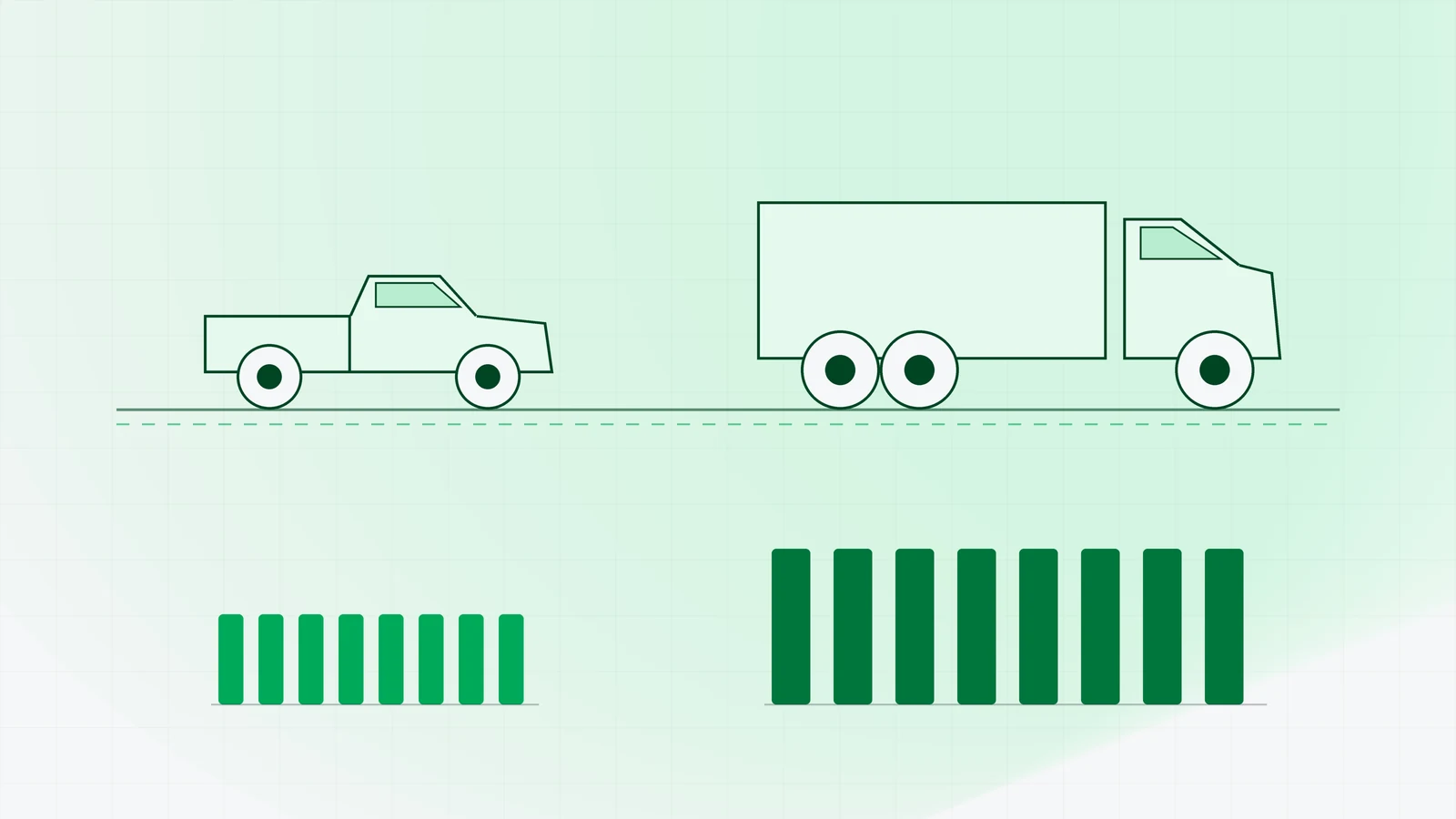
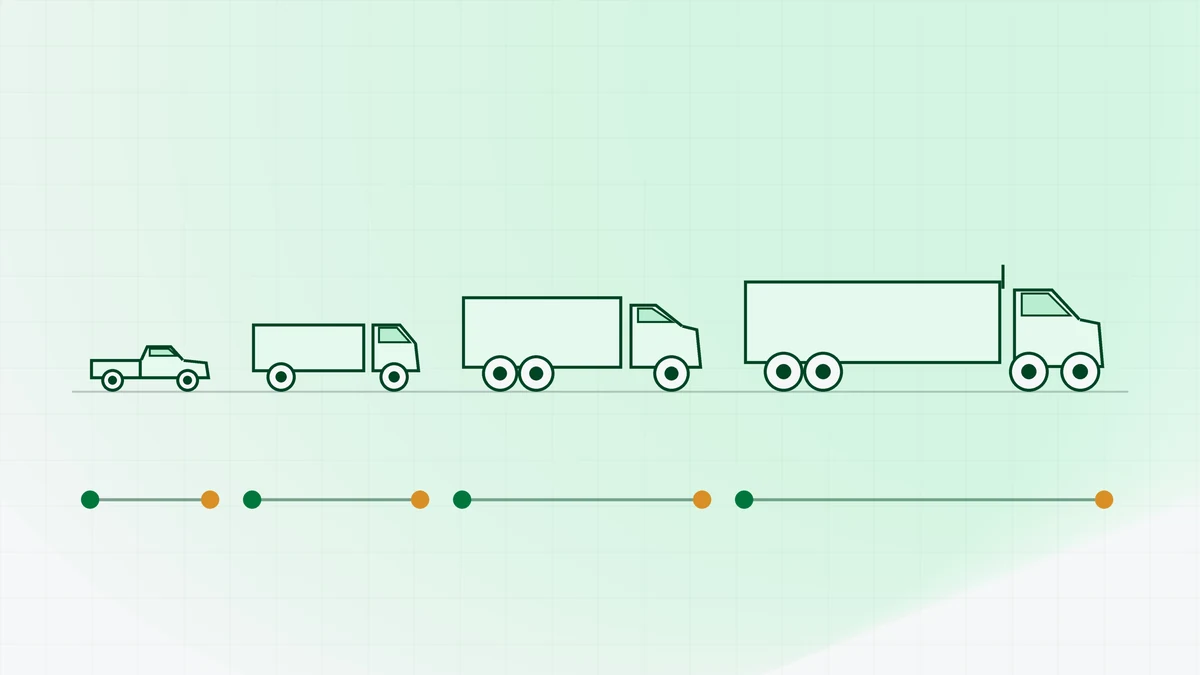
Same process, different asset: the lender's age and use tests tighten as the vehicle gets heavier and the working life gets longer.
Repayment shape for a tradie or a carrier
A work vehicle earns over years, so the repayment term is usually set against its working life rather than the shortest term you can bear. Three questions shape the repayments, and each is a question for the lender rather than a promise from anyone.
Term against working life. A term that outlasts the vehicle's useful life leaves you paying for something that has stopped earning; too short a term strains monthly cash flow. Utes and trucks sit in different places on that line.
Balloon or residual. A lump sum left owing at the end of the term, which lowers each repayment and raises the total paid. The lender sets it against the vehicle's expected value at that date. At the end you pay it, refinance it or trade the vehicle against it.
Cash flow that arrives in lumps. A tradie waiting on progress claims and a carrier on 60-day terms both have gaps between doing the work and being paid for it. The vehicle repayment does not wait, so many operators pair the vehicle finance with invoice finance against the claims or invoices, which is a separate facility with a separate assessment.
To see how a term and a residual change the repayment shape, try the calculator below with your own figures. As an invented example only, enter a tipper truck at $145,000 over five years and compare the result with and without a residual. The calculator's figures are estimates from the inputs you give it; the lender sets the actual terms.
Three structures cover most vehicle finance. Under a chattel mortgage you own the vehicle from settlement and the lender holds a mortgage over it. Under a finance lease the lender owns it and you lease it, with a residual at the end. Under a rental agreement you pay to use it and hand it back. Our chattel mortgage, lease and hire purchase comparison covers the mechanics.
The tax treatment differs, and it is your accountant's territory. Two points are worth knowing before that conversation. On GST timing, under a chattel mortgage title passes at settlement and the ATO's GST guidance says the purchaser is entitled to the entire input tax credit in the tax period in which the borrowed funds pay for the vehicle, whereas under a lease GST is claimed progressively on each rental; confirm which applies to your BAS cycle with your accountant. On fringe benefits tax, a vehicle designed to carry one tonne or more, or nine or more passengers, or otherwise not principally designed for passengers, can be an eligible commercial vehicle exempt from FBT where private use is limited to home-to-work travel, travel incidental to duties, and other private use that is minor, infrequent and irregular; the ATO's PCG 2018/3 safe harbour puts figures on that, and the finance structure makes no difference to it, only the use does. Confirm your position with your accountant.
Chattel mortgage, finance lease and rental for a work vehicle, in plain words
Question
Chattel mortgage
Finance lease
Rental
Who owns the vehicle
You, with the lender's mortgage over it
The lender
The rental company
End of term
You own it outright once any balloon is paid
Pay the residual and take ownership, return it or refinance
Hand it back, or upgrade under a new agreement
GST timing, in words
Credit generally claimable up front in the period the funds pay for the vehicle
Claimed progressively on each rental
Claimed progressively on each rental
Who to ask
Your accountant
Your accountant
Your accountant
Cross-border registration for Tweed and Gold Coast fleets
Tweed Heads sits on the NSW side of the border beside Coolangatta, and many businesses there garage vehicles on both sides. Registration follows the garaged address. Service NSW states that a vehicle kept or garaged in NSW without NSW registration is treated as unregistered; the Queensland Government states that a vehicle garaged at a Queensland address must be registered in Queensland within 14 days, with a Queensland safety certificate, and interstate plates handed in. The official pages are Service NSW, transfer or register an interstate vehicle and Queensland Government, moving a vehicle to or from Queensland; rules change, so check the current page. For finance, the financed vehicle's registration state should match where it lives and what the finance documents say. Our article on running a business across the NSW and Queensland border covers the wider cross-border picture, and the business car finance Tweed Heads page covers the local side.
Getting the application right
How to prepare a business vehicle finance application, in six steps:
Get the quote or invoice. From the dealer or, for a private sale, a signed sale agreement with the seller's details.
List the vehicle details. Make, model, year, kilometres, VIN, registration state, and any body or fit-out included in the price.
Assemble the financials. Depending on the amount and the lender, anything from a declaration of business use through the last BAS to two years of financial statements and bank statements.
Have the identity documents ready. Driver licence, ABN and, for a company, the ASIC details and director identification.
Set out existing commitments. Other vehicle and equipment facilities, leases and loans, so serviceability is assessed on the whole picture.
Confirm insurance intent. Comprehensive cover from settlement is a standard condition, and the lender will want to be noted as the interested party.
If you have these together, you can send us your documents and we will tell you what the file supports.
Where we work from
Our office is at 5/12 Tasman Way in the Byron Bay Arts and Industry Estate, and it is our only office. We work with tradies, carriers and farm operators in Tweed Heads, Ballina and Casino from Byron Bay, by phone, email and video, and in person when it is worth the drive. The local pages are business car finance Tweed Heads, business loans Ballina and commercial finance broker Casino.
Next step
We are a broker, not a lender. What we do is put the vehicle and the business in front of the lenders on our panel whose age limits, vehicle categories and conditions fit, so you get a clear comparison alongside any dealer offer. The lender decides the amount and the terms. Compare vehicle finance options, or book a call if you would rather talk through the vehicle first. If the business is under two years old, our article on business finance with under twelve months of trading covers what changes.
General information only: not financial, legal or tax advice, and it does not take account of your objectives, financial situation or needs. 121 Brokers arranges business-purpose finance only and is a broker, not a lender. Each lender assesses an application against its own criteria and decides the outcome, amount and terms. The $145,000 tipper truck over five years is an invented example for the calculator, not a quote. Tax, GST and FBT treatment depends on your circumstances; confirm it with your accountant and at ato.gov.au. Vehicle registration rules are set by the NSW and Queensland governments and change from time to time.
What is the difference between financing a ute and financing a truck?
The process is the same; the lender's view of the asset is not. A ute is a light commercial vehicle that most lenders finance within age limits. Some lenders treat rigid trucks and prime movers as their own category, with tighter age and kilometre limits, different maximum terms and closer attention to the freight or contract base behind the vehicle. Bodies, trailers and fit-outs add a further layer that a ute rarely has.
Can a sole trader get truck finance without property security?
Vehicle finance is secured against the truck, not against property, so a home is not automatically part of the picture. A personal guarantee from the sole trader is usual, and the lender assesses trading history and serviceability rather than bricks. Some lenders ask for a deposit on heavier or older vehicles. We are a broker, not a lender, and lenders differ on all of this; we cannot promise how any of them will decide.
Can I finance a used truck bought privately?
Often, with extra steps. The lender will want proof that the seller owns the truck, a Personal Property Securities Register check to confirm no other finance is secured over it, usually an inspection or valuation, and it will normally pay the seller directly rather than release funds to you. Age at the end of the term is tested as for any used vehicle, and older private-sale trucks have the fewest options.
Can the tipper body, tray or refrigeration unit be financed with the truck?
Commonly, yes. When the body or unit is bought with the vehicle and on the same invoice, most lenders finance the two as one asset. When it is added later, it is more often a separate facility. Lenders differ on which they prefer and on how they value a body-and-chassis combination, so say what is included at the start of the conversation.
How does a balloon work on a work vehicle?
A balloon, also called a residual, is a lump sum left owing at the end of the finance term. It lowers each regular repayment because less principal is cleared during the term, and it raises the total paid because more principal stays outstanding for longer. At the end you pay it, refinance it or trade the vehicle against it. The lender sets its size against the vehicle's expected value; how it is treated for tax is a question for your accountant.
Does it matter whether my work ute is registered in NSW or Queensland for finance?
Registration follows where the ute is garaged: Service NSW treats a vehicle kept in NSW without NSW registration as unregistered, and Queensland requires a vehicle garaged there to be registered within 14 days with a safety certificate. For finance, the registration state, the garaged address and the finance documents should all agree, and if the ute moves across the border the lender should be told. Our article on running a business across the NSW and Queensland border covers the wider picture.
What does a lender want from a tradie who has been trading less than two years?
It varies by lender. Some have appetite for vehicle finance with a short trading history, often with a deposit, a personal guarantee and evidence of trade such as a licence, an ABN, contracts or bank statements showing income. Others set a minimum trading period and will not consider the file before it. Nobody can promise an outcome. Our article on business finance with under twelve months of trading covers what changes in that first period.