How lenders read flood-affected accounts: business finance in the Northern Rivers
By 121 Brokers Team, Commercial finance brokerage
· 12 min read
· Published
A flood-affected trading history does not automatically rule a business out of finance. Lenders differ in how they treat a disruption that is documented, dated and explained, and some will weigh how the business has traded since. The work is presenting the period properly and choosing which lenders to approach. 121 Brokers is a broker, not a lender, and does not decide any application.
This article is for owners in Lismore and across the Northern Rivers who are deciding whether an application is worth making. It covers what a disrupted period looks like inside a set of accounts, the questions an assessor asks about it, the documents that answer those questions, and where the official recovery resources sit. It does not advise on grants and it does not promise an outcome. If you would rather start with the local page, see our business finance broker Lismore page.
What happened, briefly
On 28 February 2022 the Wilsons River at Lismore peaked at 14.37 metres, more than two metres above the previous record, and overtopped the CBD levee. It was the largest flood since records began. Lismore flooded a second time on 30 March 2022, when the levee overtopped again and an evacuation order was reissued less than 24 hours after the all-clear. The Australian Disaster Resilience Knowledge Hub records 4,055 properties across the affected areas assessed as uninhabitable, and a Lismore City Council estimate of more than $350 million in damage to council assets.
The Northern Rivers Reconstruction Corporation was set up in 2022 to lead reconstruction and formally transitioned into the NSW Reconstruction Authority on 1 November 2023. Tropical Cyclone Alfred brought a further emergency to the region in early March 2025. The region's best-known example of a business coming back is Norco's Lismore ice cream factory, inundated in the February 2022 flood and reopened in November 2023 after a rebuild. That is the context. The rest of this article is about how those events show up in a set of accounts and what a lender does with them.
What a disrupted period looks like in a set of accounts
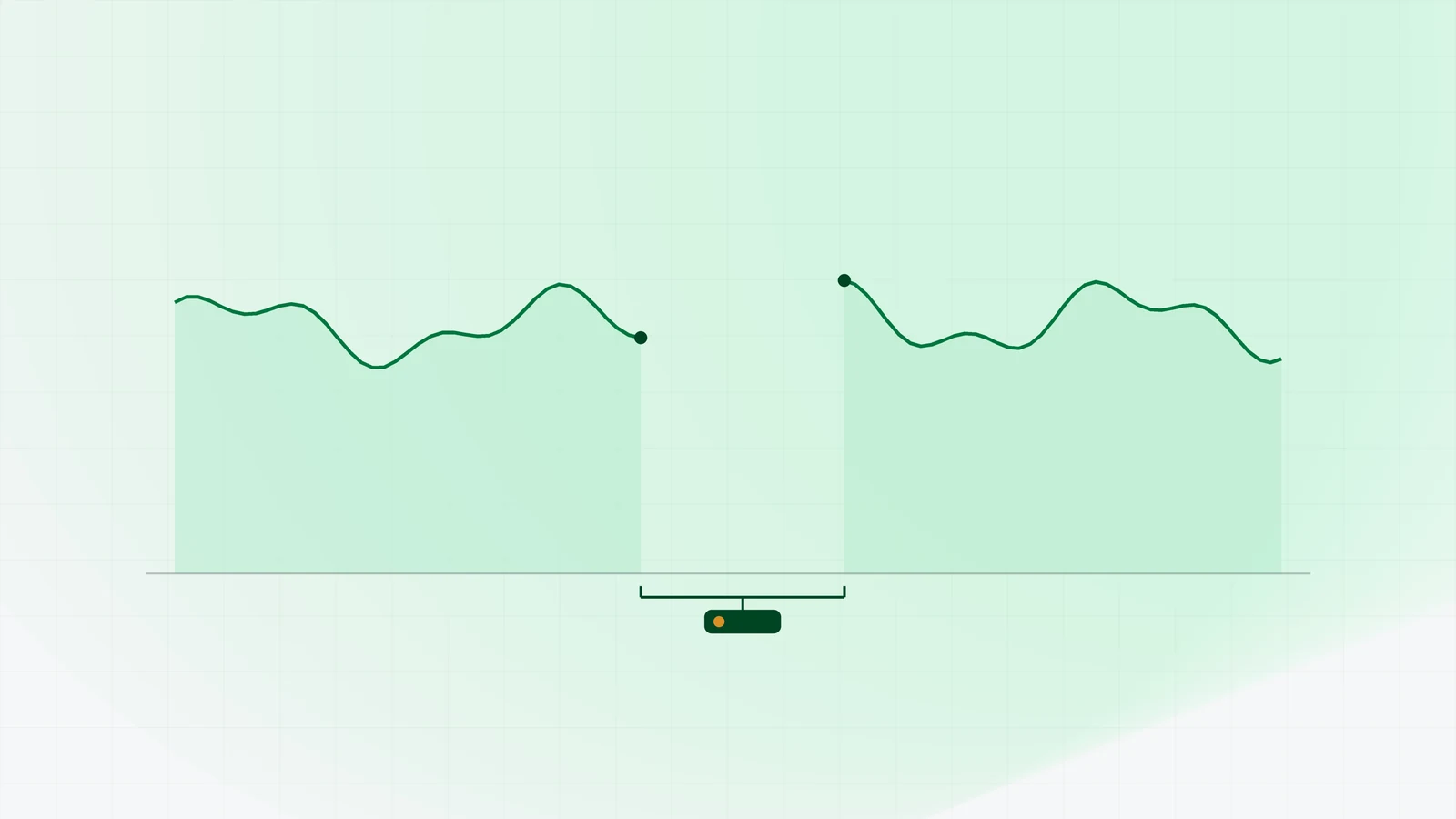
An assessor sees the disruption before anyone explains it. The shapes below are familiar to lenders who write regional NSW. Left unexplained, each one is a question mark; explained, each is a fact with a date on it.
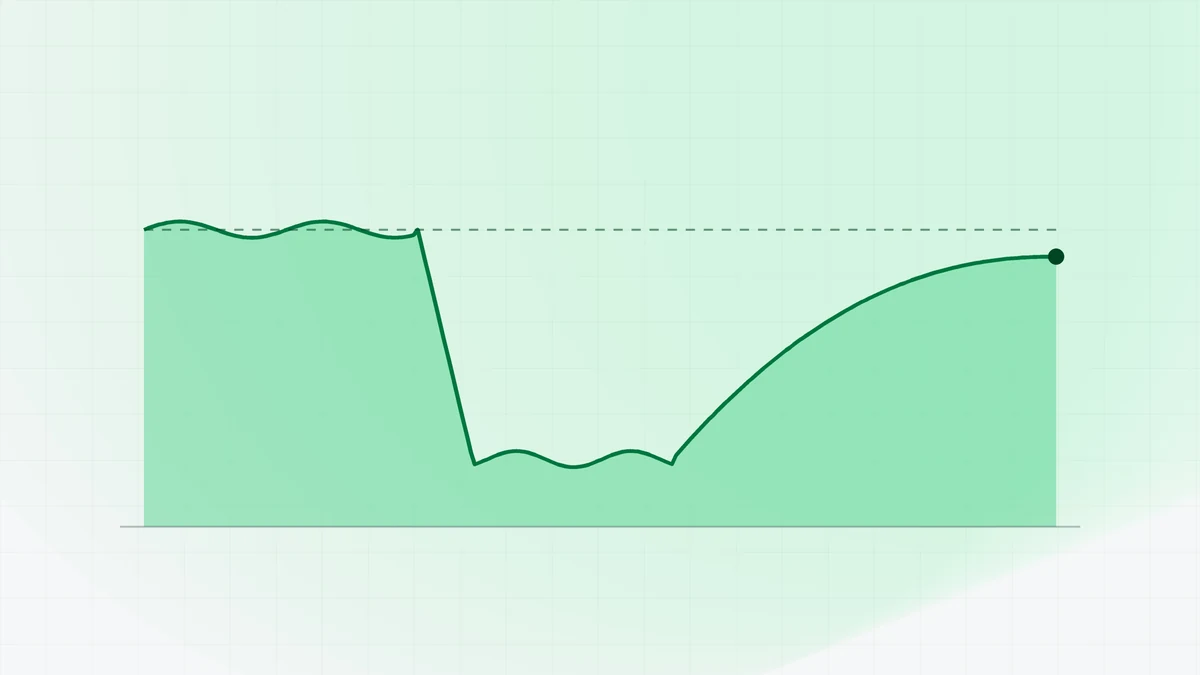
A revenue gap. Weeks or months of little or no trading, then a ramp back that may still be under way. The assessor wants to see where the gap starts, where it ends and what the slope of the recovery looks like.
One-off costs. Clean-up, skips and trades, replacement stock, replacement equipment, temporary premises, professional fees. They inflate expenses in one period and should be separated from the normal cost of trading.
Insurance receipts. A payout arrives as a lump sum, often months after the loss and sometimes in more than one instalment. It is a one-off receipt tied to the event, not trading income, and the gap between the loss and the payment can make one year look worse and the next look better than either really was.
Grants received. A recovery grant appears as an income line. It should be labelled for what it is: public assistance tied to the event. Whether any program applied to your business is a matter for the administering body, and this article does not advise on it.
Rent or lease relief. A landlord's waiver or deferral changes the occupancy cost line for a period and may leave a deferred amount still owing.
ATO arrangements. A payment plan, deferred lodgement or remitted penalties from the period show up in the integrated client account and on the balance sheet as a liability. Lenders look at this line closely, and it is covered below.
None of these is a fault in itself. Each is a fact that needs a sentence beside it, and most of the work in a flood-affected application is writing those sentences before the assessor has to ask.
How lenders read it: the questions behind the numbers
An assessor's job is to decide whether the business in front of them today can service the facility being asked for. A disrupted period complicates that judgement, so the questions arrive in a fairly predictable order.
Was the disruption external and dated?
A flood with a date, a gauge reading and a declared disaster is the easiest kind of disruption to explain, because nobody has to argue about whether it happened or whose fault it was. The assessor still wants the dates on paper: when trading stopped, when the premises were accessible again, when the doors reopened. A disruption described vaguely as a bad year reads very differently from one pinned to 28 February 2022.
What did trading look like before and after?
The most useful thing a flood-affected file can show is the business on either side of the event. Twelve months of steady trading before the flood establishes what normal looked like. Trading since then shows whether the business is heading back to it. An assessor comparing those two pictures is asking one question: is the interrupted period an exception, or the new normal?
Is the recovery visible in recent BAS and bank statements?
Annual financials tell the assessor what happened. Recent BAS and bank statements tell them what is happening now. A business whose last few quarters show takings climbing, suppliers being paid and no dishonours has evidence that the recovery is real. A business still trading well below its pre-flood level needs a credible explanation of why, and of what changes that.
Were obligations kept current, or renegotiated and documented?
An assessor is unlikely to expect a flooded business to have paid everything on time in March 2022. They do want to see what was done about it. A rent deferral agreed in writing, an ATO payment plan entered into and kept, a supplier arrangement honoured: each is evidence of a business managing a crisis. Missed payments with no paper trail are the opposite.
What changed structurally?
Many Lismore businesses relocated, rebuilt on a different footprint, replaced equipment with different equipment or changed what they sell. Those changes can strengthen a file when they are explained (a move to higher ground removes a risk the lender would otherwise have to weigh) and weaken it when they are not (a new address with no history attached to it).
The honest summary is the one on our Lismore page: some lenders weigh how the business has traded since and will look past the interrupted period; others will not. That variance is the single most important thing to know before applying, because every application leaves a footprint on your credit file, and applying to the wrong lender first costs more than time.
Documentation that helps
No document produces a particular outcome. What a good file does is answer the assessor's questions before they are asked, which makes it easier to read and harder to misread. For a flood-affected business, the set usually looks like this.
Dated evidence of the event. The disaster declaration, SES or council notices, dated photographs of the premises, and a note of when access and power were restored.
Insurance correspondence. The claim, the assessor's report if there was one, and the settlement letter or letters, so each receipt in the accounts can be matched to a document.
Before-and-after management accounts. Monthly or quarterly profit and loss for the twelve months before the flood and every period since, with one-off costs and receipts on their own lines.
A one-page trading narrative. What the business was, what the flood did to it, what was done in response, and where it stands today. Plain language, dated, signed by the owner.
Current BAS and bank statements. Usually the last four BAS and six to twelve months of statements for every business account, so the assessor can see the recovery rather than take it on trust.
ATO position and any payment plan letter. The current integrated client account and, if there is a plan, the ATO's letter and evidence that it has been kept.
Quotes for replacement equipment. If the application is for equipment, the quote or invoice, the asset details and where it will be kept.
Evidence of premises repair or relocation. A lease for new premises, a builder's completion certificate or an occupation certificate, whichever applies.
The shape an assessor is looking for: a dated dip with a documented recovery on the far side of it.
Which finance conversations come up most
Four conversations account for most of what we see from flood-affected businesses in Lismore and the surrounding district. Each is a different product with a different security position, and the lender's attention lands in a different place after a disruption. Our business loans page covers the wider range.
Replacing damaged or aged equipment
Equipment finance is the usual starting point when the need is a machine, a fit-out or a vehicle, because the borrowing is secured against the asset being bought. After a disruption the lender looks hardest at whether current trading can service the repayments, and at the asset itself. Whether a chattel mortgage, a lease or a rental agreement suits you better depends on how you want the asset treated for tax and cash flow, which is a conversation for your accountant.
Working capital while trade rebuilds
An unsecured business loan or a business line of credit carries the gap between reopening and trading at full strength. With no asset behind the facility, the lender's attention is on the recent bank statements and BAS: the recovery has to be visible, not promised.
Turning invoices into cash
For a business that invoices other businesses on terms, invoice finance advances most of the value of an invoice and collects when the customer pays. The financier looks at the debtors more than the history, which can suit a business whose own trading record is interrupted but whose customers are sound.
Consolidating what was borrowed to reopen
Some businesses reopened on a mix of credit cards, short-term loans and supplier debt. Debt consolidation rolls those repayments into one facility where the numbers support it. The lender looks hardest at the total debt position and at whether the consolidated repayment is genuinely serviceable, not just smaller.
The four conversations after a disruption: what each funds, what secures it and where the lender looks hardest
Conversation
What it funds
What secures it
What a lender looks at hardest after a disruption
Where to read more
Replacing equipment
A specific machine, fit-out or vehicle
The asset itself, usually with a director guarantee
Serviceability from current trading; the asset's age and value
These are the bodies and pages a flood-affected Northern Rivers business should know about. We describe what each is. We do not advise on whether any program applies to you, what it might provide, or whether to apply; those questions belong with the administering body. Public assistance is not a form of business finance, and nothing here is a reason for, or an alternative to, any facility discussed above.
NSW Reconstruction Authority, Northern Rivers: the state body leading flood recovery and adaptation across the region's seven local government areas, including economic recovery work and the Northern Rivers Disaster Adaptation Plan.
NSW Government, 2022 Flood Recovery Programs: documents the 2022 programs, including the Anchor Business Support Grant Program, the Critical Producer Grant and the Supply Chain Support Program, and the bodies that administered them.
Small Business Debt Helpline, floods: a free, independent financial counselling service for small business owners, with a page for flood-affected businesses.
Business Beyond Disasters: a NSW Reconstruction Authority preparedness program for Northern Rivers businesses and not-for-profits, delivered with Resilient Ready, whose first cohort ran in 2025 with industry tracks including agribusiness, tourism, retail, health and construction; check the Authority's Northern Rivers page for current intakes.
Where a broker fits
The alternative to applying to one bank, waiting, and then trying the next is to put one clear picture of the business, disruption included, in front of the lenders whose criteria actually allow for it. That is what a broker does. We present the history rather than hide it, say honestly which lenders are worth approaching, and compare what comes back. We are a broker, not a lender: the amount, the terms and the decision are the lender's, and we cannot promise an outcome. Our bank or broker comparison sets out the trade-offs in general terms, and for the region as a whole see our business finance broker Northern Rivers page.
Three ways to approach lenders with a disrupted trading history
Approach
Who presents the history
How many enquiries hit the credit file
Who compares the terms
One bank
You, to one assessor, in that bank's format
One, whatever the answer
Nobody; there is one offer or none
Several lenders, one at a time
You, repeatedly, to lenders whose criteria you cannot see in advance
One per application; every application leaves a footprint on your credit file
You, if more than one says yes
A broker
The broker, once, to the lenders whose criteria allow for a disruption
Only where an application is actually lodged, and only with your say-so
The broker, across the panel, with you choosing
Next step
If you have the paperwork above together, you can send us your documents and we will tell you honestly what the file supports and who is worth approaching. If you are earlier than that, compare your options with a short conversation about where the business stands today. There is no urgency on our side; the right time to apply is when the recovery is visible in the numbers.
General information only: not financial, legal or tax advice, and it does not take account of your objectives, financial situation or needs. 121 Brokers arranges business-purpose finance only and is a broker, not a lender. Each lender assesses an application against its own criteria and decides the outcome, amount and terms. Nothing in this article is advice about any grant, disaster loan or recovery program; contact the administering body with questions about those. Confirm any tax or accounting treatment with your accountant.
How far back do lenders look at trading history after a flood?
It varies by lender and by product, but two years of financial statements plus the most recent BAS and bank statements is the common request. For a flood-affected business a longer view helps, because it lets the assessor see trading before the event, the interrupted period, and the recovery since, as three distinct stretches rather than one blurred average.
Should I explain the 2022 flood in a business loan application?
Yes, in writing, with dates and evidence. An unexplained gap in trading reads worse than an explained one, because the assessor has to guess at the cause. A one-page narrative that says when trading stopped, what was damaged, what was done and where the business stands now, backed by the disaster declaration and insurance correspondence, answers the question before it is asked.
Does receiving a disaster grant affect a business finance application?
A grant appears in the accounts as a one-off receipt and should be labelled as public assistance tied to the event, not as trading income. It is neither a reason for nor a barrier to finance. Whether any program applied to your business, and on what terms, is a matter for the administering body; we do not advise on grant eligibility.
Will an ATO payment plan from the flood period stop me getting finance?
Not automatically. Lenders want to see the plan documented and kept current, and they differ in how much weight they give an ATO liability. Some treat a plan that has been honoured as evidence of a business managing a crisis; others are more cautious. Our article on the ATO payment plan or paying it out maths for 2026 covers how lenders read that line.
Can a business that relocated after the floods still show enough history?
Often, yes. The move needs to be explained and the trading since needs to be shown, with the old and new premises linked by the same entity, ABN and accounts. Some lenders treat a relocated business as a continuation of the same trading history; others place more weight on the period at the new address. Which is which is part of what we find out before an application goes anywhere.
Do lenders count insurance payouts as income?
Usually as a one-off receipt to be explained, not as trading income. An assessor will want the payout matched to the loss it covered and separated from the normal revenue line, so that neither the year of the loss nor the year of the payment is misread. How the payout is treated for tax and accounting purposes is a question for your accountant.
Is Lismore treated differently by lenders because of the floods?
There is no blanket rule. Each file is assessed on its own numbers. In practice, appetite for businesses with a documented recovery in regional NSW differs across a lender panel: some lenders will weigh how the business has traded since, others will not look past the interrupted period. We are a broker, not a lender, and we cannot promise how any lender will decide.